

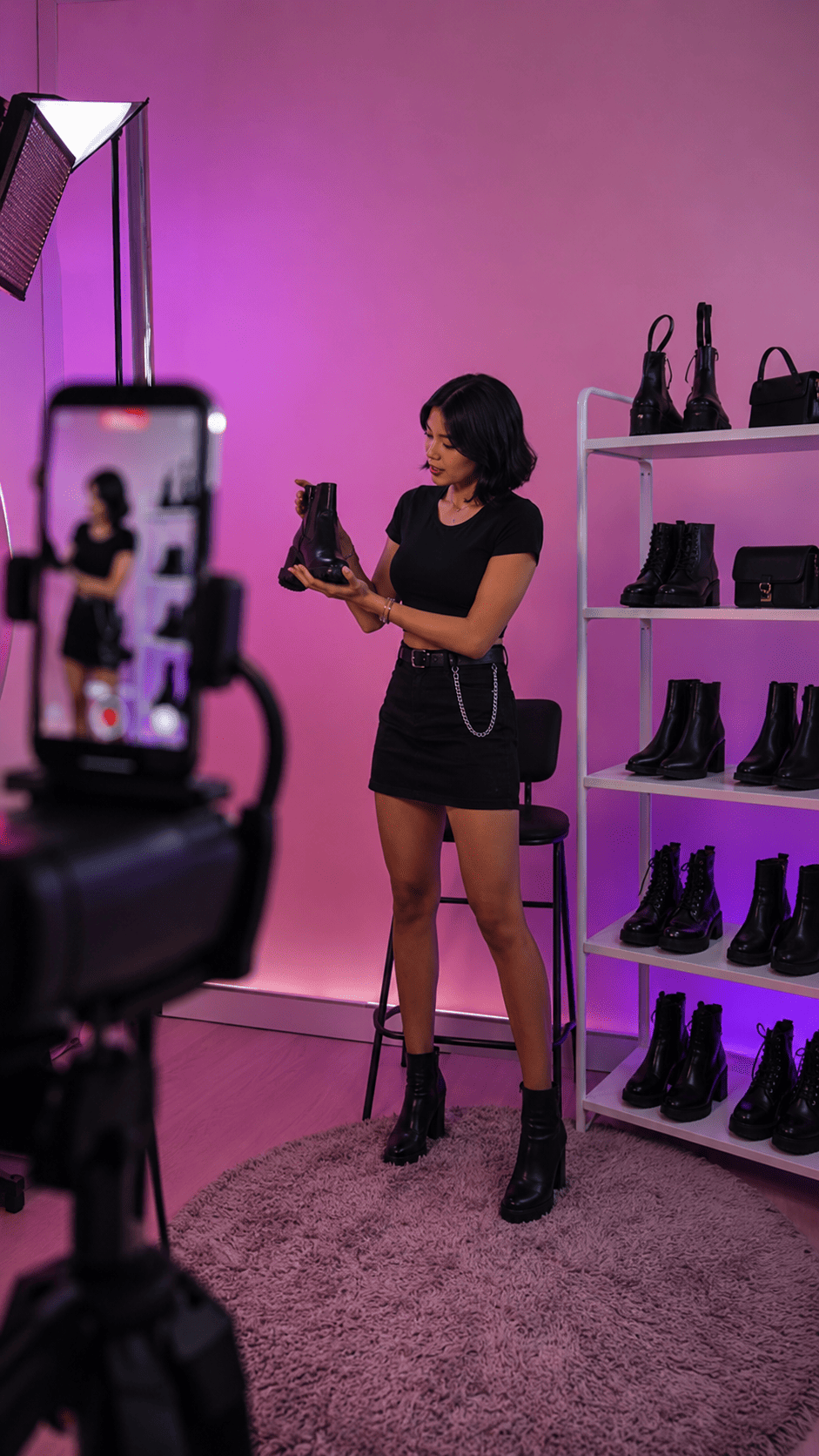
Most TikTok Shop brands focus on getting their product listings right, but the real growth lever is the creator ecosystem built around those listings. Affiliate creators produce the shoppable short-form videos that drive product discovery, generate social proof and convert viewers into buyers, often at a fraction of the cost of traditional paid advertising.
The challenge is that one or two affiliate videos rarely move the needle. Scale is what creates the conditions for virality and consistent sales. This guide walks through a complete TikTok Shop affiliate strategy: how to find and vet creators using Seller Center, how to structure incentives, and how to use AI automation to recruit at volume without sacrificing quality control.
Why affiliate creators are the growth engine for TikTok Shop
The revenue split between short-form video and live streams on TikTok Shop is more lopsided than most brands expect. One anonymized example illustrates the gap clearly: a product generated approximately $4.8 million in sales from affiliate videos compared with $380,000 from live streams. That ratio is not universal, but it reflects a pattern worth understanding. Shoppable videos work around the clock, reach new audiences through organic discovery and compound over time as more creators enter the mix.
Volume amplifies this effect. A single viral video is valuable, but it is also unpredictable. When a brand is working with thousands of creators simultaneously, the probability of producing high-performing content rises dramatically. One leading TikTok Shop worked with 131,000 creators over a 180-day period, resulting in more than 306,000 affiliate videos posted. That volume creates a content flywheel that no single in-house team could replicate.
The cost structure reinforces the case. Commission-based affiliates earn only when they drive a sale, which means brands carry minimal upfront risk. Compared with paying hundreds of dollars per produced UGC video or running paid ad campaigns with fixed costs, affiliate-driven content can deliver significant ROI with spending concentrated at the point of conversion rather than the point of production.
How to find and invite creators using Seller Center and marketplace filters
The Seller Center affiliate marketplace is the primary tool for sourcing and inviting creators at scale. The basic navigation path is straightforward: open Seller Center, go to Affiliates, select Marketplace, and use the Invite function to browse and contact creators. What separates an efficient recruitment process from a random one is how well you apply the available filters before sending a single invite.
Seller Center offers several filters that allow brands to prioritize creators based on specific performance signals. The most relevant include:
- Category: aligns creators to your product vertical.
- Average commission rate: helps identify creators whose expectations fit your margin structure.
- Follower count: useful for balancing reach and engagement quality.
- Engagement rate: a stronger signal of active audience than follower count alone.
- Average views: indicates consistent content performance over time.
- Items sold: the most direct signal of conversion ability.
- Estimated post rate: reflects how frequently a creator publishes, which matters for campaign velocity.
How you weigh these filters depends on your current business objective. If the priority is awareness and top-of-funnel reach, average views and follower count carry more weight. If the priority is conversion and direct sales, items sold and engagement rate become the primary sort criteria. Filtering for creators with high average views and a consistent recent posting frequency is a reliable starting point when looking to generate quick traction on a new product launch.
Keep in mind that Seller Center does impose invite limits, so working efficiently within those constraints matters. Reviewing creator profiles before inviting, rather than mass-inviting indiscriminately, helps preserve daily capacity for the most promising candidates.
Attracting and filtering top affiliates: commissions, retainers and vetting criteria
Most affiliate creators on TikTok Shop work strictly on commission. This model suits brands well in the early stages because it ties compensation directly to results. As a creator builds a track record of generating sales, it becomes worth exploring a monthly retainer arrangement to secure more predictable output and exclusivity on key campaigns.
The decision to move a creator from commission-only to a retainer should be based on consistent performance over time, not on follower count or one strong video. A creator who regularly produces converting content and demonstrates clear audience fit with your product category is a much stronger retainer candidate than a creator with a large following but uneven results.
Before extending any offer, a structured vetting process reduces the risk of onboarding creators who look good on paper but underdeliver. A practical checklist for evaluating affiliate applicants includes:
- Content quality: Does the creator’s existing content reflect a standard consistent with your brand presentation?
- Conversion evidence: Do their items-sold metrics or engagement patterns suggest an audience that buys, not just watches?
- Audience fit: Does their follower demographic align with your target customer profile?
- Posting consistency: Is the creator active and publishing regularly, or are there long gaps between posts?
- Niche relevance: Has the creator previously promoted products in your category or an adjacent one?
Setting commission rates and flat fees requires balancing attractiveness to creators with sustainability for the brand. Avoid prescribing rigid numbers without accounting for your product margin and category norms. What matters most is that the offer is competitive enough to win the creator’s attention while remaining tied to measurable outcomes.
Automating outreach at scale: AI workflows and best practices
Reaching tens of thousands of creators manually is not realistic. AI-powered workflows change that equation by handling the repetitive elements of outreach while keeping human judgment where it matters most. The goal is not to remove people from the process entirely but to multiply what a small team can accomplish in a day.
A well-structured AI automation workflow for TikTok Shop affiliate outreach typically covers several layers. Bulk invite generation allows the system to work through filtered creator lists continuously. Personalized message templates use available creator data to make invitations feel relevant rather than generic. Follow-up sequences re-engage creators who did not respond to the initial invite. Triage filters route high-potential applicants to manual review while lower-priority responses are handled automatically.
Before deploying automation at full scale, run a small pilot. Test the message templates on a limited creator segment, review the response quality and refine the criteria before expanding. This approach identifies problems early and avoids flooding the creator pipeline with low-quality matches that would require manual cleanup later.
Quality control safeguards are essential once automation is running at volume. Set daily invite caps to stay within platform policy limits. Define clear thresholds that trigger human review, such as creators who respond with questions or those whose metrics fall just outside the automated approval criteria. AI is a productivity multiplier in this context, not a guarantee of performance, and treating it that way keeps the program sustainable.
Repurposing affiliate UGC and ethically recruiting competitors’ top creators
Every high-performing affiliate video is a content asset that extends beyond TikTok. Brands that repurpose affiliate UGC across additional channels get significantly more value from the same creative output. A video that converts on TikTok Shop can be tested as a Meta ad creative, embedded on a product page to increase on-site conversion, or included in email marketing campaigns as social proof.
Before repurposing any affiliate content, secure explicit usage rights. This means having a clear agreement in place, either as part of the original affiliate terms or through a direct request to the creator. Attribution requirements vary, so confirm what is expected before distributing content on external platforms. Skipping this step creates legal and reputational risk that is easily avoided with the right contracts from the start.
On the topic of creator recruitment, it is entirely legitimate to identify creators who have previously promoted products in your category and invite them to work with your brand. The key is to lead with genuine value: why is your product a strong fit for their audience? What commission structure or sample program makes the opportunity worth their attention? Ethical outreach focuses on relevance and mutual benefit, not on undercutting a competitor’s relationship or making misleading promises.
Reaching out to creators active in your niche through the Seller Center marketplace, or through other public channels where they accept brand collaboration inquiries, is a standard and accepted part of TikTok Shop management. The brands that do this well approach it as relationship building rather than transactional recruiting, which tends to produce higher-quality partnerships over time.
Conclusion
A well-executed TikTok Shop affiliate strategy combines three things that reinforce each other: the right incentive structure to attract creators, the right filters to identify them efficiently, and the right automation to operate at a volume that makes virality statistically probable. Affiliates reduce upfront marketing spend, generate authentic UGC and create a compounding content engine that paid advertising alone cannot replicate.
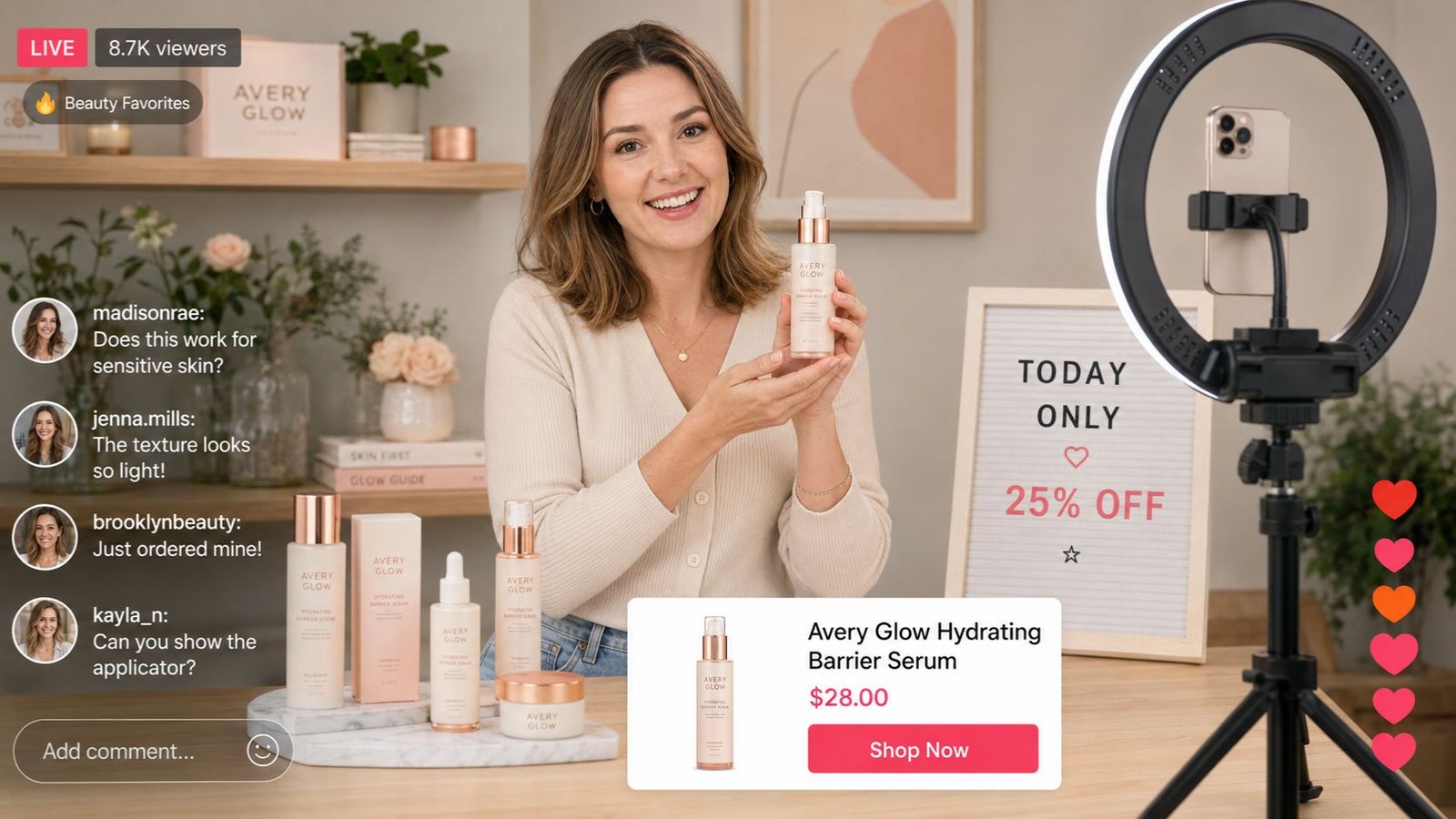
Seller Center’s marketplace and filtering tools give brands direct access to this creator pool. Vetting criteria, commission structures and retainer arrangements allow brands to invest more heavily in creators who consistently deliver. AI automation handles the volume that manual outreach never could, while human review preserves quality at the top of the funnel. And repurposing affiliate content across Meta ads, product pages and email campaigns ensures that each strong video earns its full return.
RGC Mkt specializes in the TikTok Shop and Social Commerce segment, supporting brands through services including initial TikTok Shop setup and creator and influencer outreach. If you are ready to build a scalable affiliate program, improve your campaign planning or take your marketplace management to the next level, reach out to the RGC Mkt team to get started.