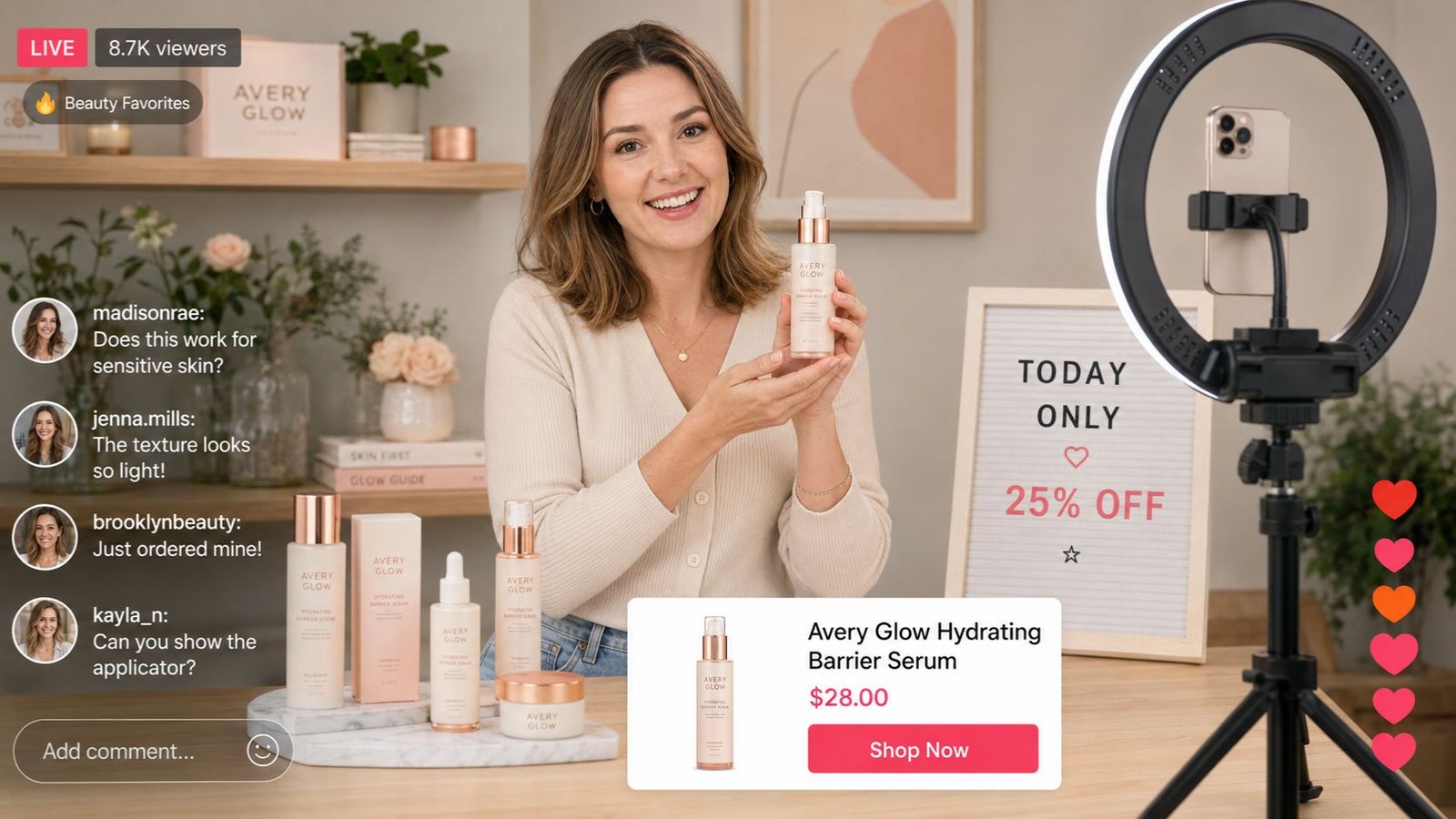

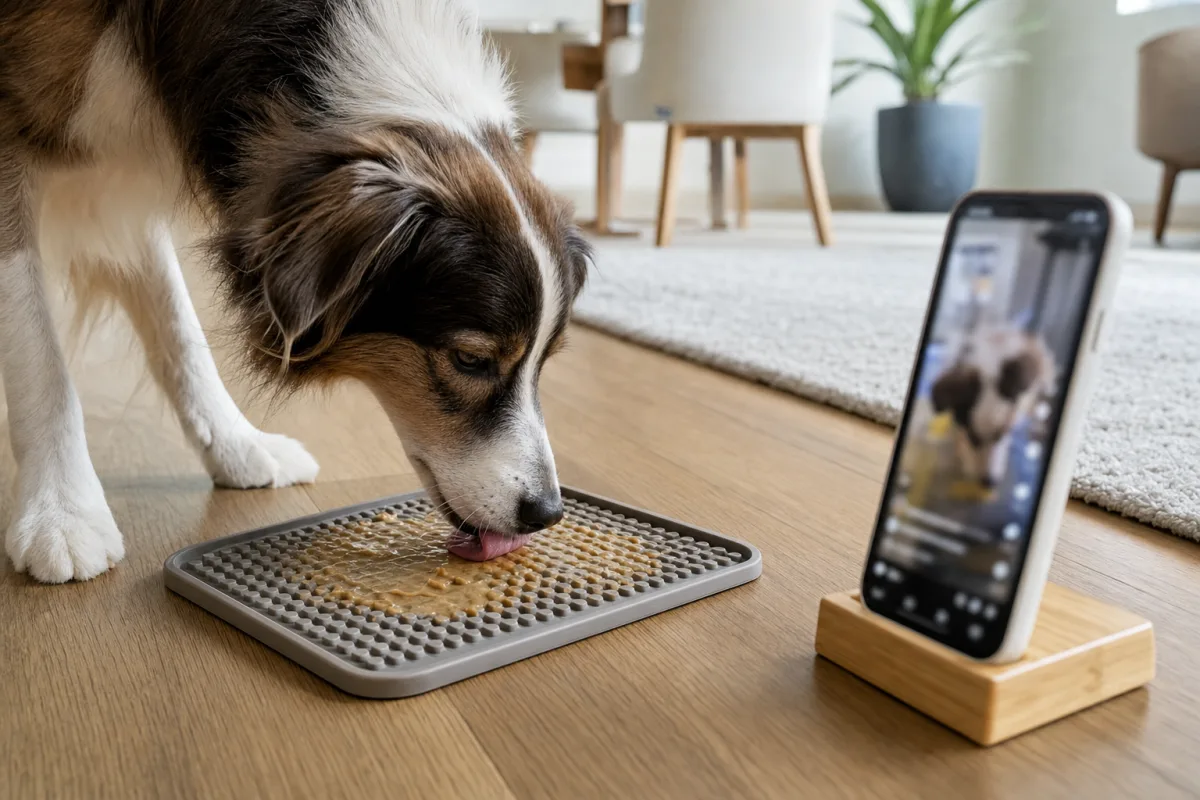
Not long ago, a shopper discovering a new product meant typing a query into Google and browsing through results. That path has shifted significantly for younger consumers. Today, a short-form video showing a dog calmly licking a silicone mat while its owner gets work done can spark a product search, drive purchase intent and sell out inventory, all before a single Google ad runs. The platform making that happen at scale is TikTok.
This article walks through a practical playbook for ecommerce founders and marketers who want to take advantage of TikTok-led product discovery. From spotting a trend signal to validating margins, filming thumb-stopping creative and launching a lean Shopify store, each step builds toward a repeatable process for finding and selling products where Gen Z already spends its attention.
Why TikTok is reshaping product discovery for Gen Z
The numbers tell a clear story: research suggests that roughly 43% of Gen Z consumers now start their online product searches on TikTok, rather than on traditional search engines. That is not a marginal shift. It reflects a generational habit forming around short-form video as the default research format, and it has real implications for any brand selling to audiences under 30.
The mechanics are different from search. On TikTok, products surface through the algorithm, not through intent-based queries. A viewer does not need to know a product exists to discover it. A creator demonstrates a lick mat, the feed serves that clip to pet owners, and curiosity converts into search, then purchase. Social proof and entertainment do the work that paid search keywords used to handle.
For product-based businesses and dropshippers, this changes go-to-market assumptions. Winning on TikTok is less about keyword density and more about creative quality, timing and how well a product lends itself to short-form storytelling. If your product solves a visible problem or produces a satisfying visual result, it already has creative potential. That is the starting filter for everything that follows.
Finding winning products: lessons from the lick mat trend
Trend-tracking tools that measure search and content growth over time are a practical starting point for product discovery. The logic is straightforward: find products showing strong upward momentum before saturation hits, and you can enter a market while demand is growing. A pet lick mat is a useful illustration. One trend-tracking signal showed growth of approximately 326% over a six-month window, a clear indicator that consumer interest was accelerating, not flattening.
Growth percentage alone is not enough, though. The best products to pursue tend to share a few common traits: they are easy to ship, they have a wide range of price points in the market suggesting margin room, and they are easy to demonstrate visually in a short video. A lick mat checks all three boxes. It is lightweight, competitors were selling it at various price points, and a ten-second clip of a dog using it communicates the value instantly.
When evaluating any trend signal, run through a quick checklist before committing:
- Is the growth trend recent and sustained, or already plateauing?
- What is the competitor price spread, and does it suggest room to position competitively?
- Can the product be shipped cost-effectively without damaging the margin?
- Is there a clear, visual story to tell in under ten seconds?
Not every trending item will convert at scale. The goal at this stage is to shortlist candidates worth validating, not to commit to a product based on one signal alone.
Competitor research and margin math: pricing, cost and shipping
Once a product passes the initial trend filter, the next step is a basic competitive analysis. Search for the product across retail platforms and note the price range. For the lick mat example, observed competitor prices ranged roughly from $6 to $25, which is a wide spread. That spread tells you where the market floor is and where there may be room to add perceived value and charge more.
Then move to the supplier side. Look up unit costs through sourcing platforms and compare a few listings. In the lick mat case, unit costs ranged from low single digits to around nine dollars depending on quality and minimum order. Add estimated shipping costs to that figure to get your landed cost per unit, and compare it to your intended selling price to calculate gross margin.
A practical rule of thumb: target at least 20% profit margin after accounting for product cost, shipping and a reasonable ad spend estimate. If the numbers do not support that threshold at a competitive price point, the product may not be worth pursuing, or you need to find a supplier with better unit economics. As an illustrative example: if you plan to sell at $13 and your landed cost is $9, your margin is roughly 30% before ads. That is a workable starting point. If your cost is $11 and your price needs to stay at $12 to compete, it is not.
One practical note on shipping: paying a slightly higher rate for faster delivery is often worth it. Customers who wait too long leave negative reviews or request refunds, both of which cost more than the shipping premium. Build that tradeoff into your margin calculation from the start.
From sample to creative: how to produce thumb-stopping short-form ads
Before filming anything, order a sample. This step is non-negotiable for two reasons. First, you need to verify that the product quality matches what you are showing customers. Second, the sample is your raw material for every piece of creative you will produce, from short TikTok clips to product photos for your store page. You cannot make compelling content about a product you have not held in your hands.
When the sample arrives, the creative brief is simple: hook in the first second, show the problem, show the product solving it, show the outcome. For the lick mat, a natural structure might be a quick shot of a restless pet, then the mat being set down, then the pet calm and engaged while the owner is free to focus on something else. Beginning, middle, end. That kind of short story, cut to around ten seconds or less, tends to outperform product-feature clips because it connects emotionally before it sells.
Edit with sound, add captions and film vertically. Then test multiple versions. One of the more counterintuitive realities of TikTok is that organic performance is genuinely unpredictable. A clip you expect to underperform might catch traction, and your most polished cut might stall. The answer is volume and iteration: produce several short variants with different hooks or pacing, post them organically and watch which one gains early traction. AI copy tools can speed up captioning and description work, keeping your production costs low during this testing phase.
The organic test results are not just useful for content strategy. They tell you which creative is worth putting ad budget behind. Spend on what is already working, not on what you think should work.
Launch basics: building a Shopify store and scaling with TikTok ads
Getting a store live does not require a large budget or weeks of development. A domain typically costs under $20, Shopify offers free themes that look clean and convert well on mobile, and your product pages only need a few strong photos, a short benefits-focused description and a clear price. AI copywriting tools can draft product descriptions in minutes, and logo generators can handle basic branding. The goal at launch is speed, not perfection.
Once the store is live, post your organic test videos. Use your TikTok profile to build early presence, drive traffic to the product page and gather initial data. When one or two videos start showing stronger engagement or click-through, those are your ad candidates. Connect TikTok Ads to your Shopify store, set a modest test budget and run your best-performing organic clips as paid campaigns.
Scaling from there follows a straightforward loop:
- Measure ROAS and cost per acquisition on your test campaigns.
- Optimize product listings and shipping based on early customer feedback.
- Refresh creative regularly to avoid ad fatigue.
- Explore creator partnerships to extend reach with authentic UGC at scale.
TikTok Shop setup also opens an additional sales layer, allowing users to buy directly within the app without leaving the feed. Combining organic content, paid TikTok ads and TikTok Shop product listing optimization keeps your brand visible across every stage of the purchase journey, from first discovery to final checkout.
Conclusion
The lick mat example is simple by design. A trending product, a clear margin calculation, a sample order, a ten-second video and a lean Shopify store. But that simplicity is the point. The process works because TikTok has fundamentally changed how Gen Z discovers products, and short-form video is now a legitimate research channel, not just an entertainment platform. Brands that build product selection, creative and launch strategy around that reality have a meaningful advantage over those still optimizing only for search.
For businesses operating in the TikTok Shop and social commerce space, whether you are a direct-to-consumer brand, a retailer testing new categories or an ecommerce operator scaling through dropshipping, the playbook described here offers a repeatable starting framework. TikTok Ads, TikTok Shop setup, product listing optimization, short-form video production and thoughtful campaign planning are not separate functions. They work together, and the faster a team learns to run that cycle, the faster it can find winning products and grow.
RGC Mkt works with brands navigating exactly this space, from TikTok Shop configuration and ads management to marketplace optimization and creator outreach. If you are looking to build or accelerate your presence on TikTok Shop, reach out to the RGC Mkt team to talk through a growth plan tailored to your product and audience.