


Generating $4.5 million in gross merchandise value (GMV) on TikTok Shop during a historically weak sales month is not a stroke of viral luck. It is the output of an operationally disciplined growth engine designed around micro-creator network scaling, automated affiliate recruitment, and non-negotiable contribution margin floors.
For product-based Direct-to-Consumer (DTC) brands navigating saturated paid acquisition channels, TikTok Shop offers an unprecedented mechanism to compress product discovery, social proof, and checkout into a single high-velocity funnel. However, transitioning from a passive storefront to a multi-million-dollar channel requires moving past manual sampling and unstructured influencer marketing.
This operational playbook breaks down the exact strategies used by a leading DTC liquid-vitamins brand to scale its TikTok Shop presence from zero operational momentum to $4.5M in monthly revenue during June—a notoriously slow month for the wellness category. The framework outlines how to automate creator outreach pipelines, build real-time analytics infrastructure, enforce margin guardrails, and execute seasonal promotion playbooks.
Channel Prioritization: Search Marketplaces vs. Discovery Commerce
E-commerce represents over 80% of total revenue for many established digital brands, typically distributed across Amazon, direct Shopify storefronts, and secondary retail platforms. While search marketplaces capture existing purchase intent, they offer diminishing returns for brand discovery.
| Strategic Dimension | Search-Driven Marketplaces (e.g., Amazon) | Discovery-Driven Social Commerce (TikTok Shop) |
|---|---|---|
| Consumer Intent | High-intent search (Keywords & Category comparisons) | Low-intent scroll (Entertainment & Impulse discovery) |
| Product Visibility | Static listing rankings & Sponsored Products bidding | Short-form video velocity & Creator algorithm feeds |
| Social Proof Cycle | Accumulated over months via text & star ratings | Compressed into 48–72 hours via video engagement |
| Catalog Performance | Broad SKU catalogs sustain baseline traffic | Single Hero SKUs generate 80%+ of total channel GMV |
| Growth Drivers | Keyword indexing & Fulfillment by Amazon (FBA) | Automated creator outreach & Spark Ad amplification |
On search marketplaces, customers type in specific terms like “liquid vitamin D3” and compare star ratings, shipping speeds, and prices. On TikTok Shop, purchase discovery occurs passively inside short-form videos and live streams. Viewers do not know they want the product until a creator demonstrates its application, taste, or immediate benefit within the first three seconds of a video.
For visual, benefit-forward consumer packaged goods (CPG)—such as liquid supplements, skincare routines, haircare tools, and home organization gadgets—TikTok Shop fills an essential growth role. It generates net-new customer acquisition that feeds branded search volume across secondary retail channels.
Scaling Creator Recruitment: Transitioning from Manual Vetting to Automated Pipelines
The primary bottleneck holding most product brands back on TikTok Shop is creator outreach volume. Initial outreach efforts are almost always manual: brand managers spend hours scrolling through creator profiles, evaluating aesthetic alignment, checking follower counts, and manually sending direct messages or emails.
While manual curation ensures high brand safety, it produces negligible volume. On TikTok Shop, creator conversion is a statistical numbers game: only a fraction of contacted creators accept sample offers, and only a percentage of creators who receive samples publish converting content on time.
1. Building the Automated Recruitment Engine
To achieve multi-million-dollar scale, the supplement brand shifted from manual selection to an Automated Creator Outreach Pipeline, increasing daily contact volume to 200 to 400 targeted creators per day.
Rather than manually reviewing individual profiles, the brand deployed programmatic filter criteria within the TikTok Shop Creator Marketplace and affiliate outreach automation platforms:
- Category Engagement: Filtering for creators who actively post within health, wellness, morning routines, and lifestyle niches.
- Follower Tier Focus: Prioritizing micro-creators with 5,000 to 50,000 followers who maintain engagement rates above 3.5%.
- E-Commerce Conversion History: Selecting creators who have previously tagged products and generated affiliate GMV in similar CPG categories.
2. Message Optimization & Offer Testing
Increasing outreach volume without optimizing message copy leads to low acceptance rates and wasted sample capital. The brand executed rigorous A/B copy testing across initial outreach messages:
- Variant A (Generic Brand Pitch): Focused on brand story, product ingredients, and company values. Resulted in a 12% sample acceptance rate.
- Variant B (Direct Incentive & Value Offer): Focused on high affiliate commission rates (20%+), free expedited product shipping, and clear content inspiration hooks. Resulted in a 28% sample acceptance rate.
Framing the outreach offer around the creator’s financial earnings and providing low-friction sample approval dramatically increased conversion from initial contact to active content publisher.
3. Micro-Creators as the Primary Scale Engine
A core operational takeaway from the $4.5M scaling event was prioritizing micro-creators over celebrity influencers. Micro-creators produce more authentic, relatable content that mirrors organic user recommendations. Furthermore, their audiences exhibit higher trust, translating to superior conversion rates on impulse-priced consumer goods.
Operational Infrastructure & Real-Time Analytics Architecture
Scaling TikTok Shop to mid-seven figures creates immense operational complexity. Managing hundreds of active creator relationships, tracking sample shipments, and monitoring campaign spend requires robust analytics infrastructure to prevent inventory chaos and margin erosion.
1. Organizational Ownership & Functional Alignment
A frequent operational failure point occurs when brands divide TikTok Shop management across siloed teams: influencer marketing handles outreach, paid media handles Spark Ads, and e-commerce operations handles product listings. Without unified reporting, teams duplicate spend and misattribute revenue.
To operate efficiently, create a Unified Social Commerce Operating Unit where affiliate outreach, content briefing, listing optimization, and paid ad spend are managed under a single performance reporting framework.
2. The Minimum Viable Analytics Stack
To run TikTok Shop profitably at scale, brand managers must track metrics across three distinct operational layers:
A. Creator Pipeline Metrics
- Sample Acceptance Rate: Total Outreach Messages SentAccepted Sample Offers×100 (Target: ≥20%)
- Sample-to-Video Publication Rate: Total Samples DeliveredPublished Creator Videos×100 (Target: ≥65%)
- Cost Per Published Video: Total Published VideosLanded Product COGS+Sample Shipping Fee
B. Listing & Conversion Metrics
- Click-Through Rate (CTR) on Yellow Anchor Tag: Percentage of video viewers who click the tagged product link in the short-form video (Target: ≥1.5%).
- Checkout Conversion Rate (CVR): Percentage of product page visitors who complete checkout (Target: ≥3.5%).
- Average Order Value (AOV): Maintained through strategic bundle offers and volume discounts.
C. Financial & Margin Metrics
- Channel Contribution Margin: Net profit retained after accounting for COGS, platform fees, logistics, creator payouts, and paid ad spend.
- Return on Ad Spend (ROAS) on Spark Ads: Measured specifically on paid spend used to amplify organic creator posts.
Financial Engineering: Protecting Contribution Margins at Scale
Generating impressive gross sales on social platforms is meaningless if underlying unit economics are negative. TikTok Shop introduces several variable expense categories that do not exist on traditional web stores: creator sample costs, affiliate commissions (typically 15–25%), platform referral fees, and paid ad spend required to amplify winning videos.
| Unit Economic Expense Line | Cost Breakdown per $100 Order |
|---|---|
| Gross Retail Price / Average Order Value | $100.00 |
| Landed Cost of Goods Sold (COGS) | -$18.00 |
| Warehouse Pick, Pack & Shipping Logistics | -$12.00 |
| TikTok Platform & Referral Fees (~8%) | -$8.00 |
| Creator Affiliate Commission (~20%) | -$20.00 |
| Sample Amortization & Paid Ad CAC Reserve | -$16.00 |
| Net Contribution Operating Margin Target | $26.00 (26%) |
1. Setting Mandatory Margin Floor Bands
Before scaling outreach or activating paid media, the supplement brand established a strict Channel Contribution Margin Target of 22% to 28%.
Establishing this margin floor prior to launching campaigns created a financial filter for all operational decisions. If a specific creator deal, promotional pricing structure, or paid ad campaign caused contribution margins to drop below 22%, the initiative was immediately paused or re-engineered.
2. Multi-Tiered Affiliate Commission Structures
To protect margins while rewarding top-performing creators, implement a Tiered Affiliate Structure:
- Standard Open Plan (15% Commission): Automatically assigned to all new creators accepting sample offers.
- Target Growth Plan (20% Commission): Unlocked when a creator generates 25+ verified sales or produces a video exceeding 50,000 organic views.
- VIP Partner Plan (25% Commission + Spark Ad Authorization): Reserved for elite creators whose content consistently converts at high volume, granting the brand usage rights to run paid Spark Ads behind their videos.
3. Managing Paid Amplification (Spark Ads Guardrails)
Paid media should be deployed strictly to amplify creator posts that have already proven organic conversion viability. The brand established a strict Minimum Return on Ad Spend (ROAS) Threshold of 2.5× for paid Spark Ads.
If ad spend on a top-performing video fell below this ROAS threshold as audience saturation occurred, the paid budget was automatically throttled, preserving net operating margin.
Seasonality Execution: The Slow-Month Promotional Playbook
June is historically one of the weakest sales months for the health, wellness, and dietary supplement categories. As summer vacations begin and daily routines loosen, consumers temporarily deprioritize structured wellness habits.
Overcoming seasonal slumps requires aggressive promotional concentration and synchronized creator execution. The brand drove $4.5M in June sales despite industry headwinds by using a specialized Seasonal Promotion Playbook.
1. Advanced Inventory Isolation
Participating in high-volume platform promotional events without dedicated supply chain buffering leads to stockouts, late dispatch penalties, and account health suspensions. Two weeks prior to promotional campaigns, physical inventory dedicated exclusively to TikTok Shop orders was isolated at the 3PL level.
2. Synchronized Content Drops
To maximize algorithmic momentum during promotional windows, creator posts must be timed precisely. The brand coordinated over 150 creator video publications within a concentrated 48-hour event window.
When platform algorithms detect dozens of independent creators tagging the same product anchor link simultaneously, organic feeds increase video distribution across the target audience demographic.
3. Strategic Bundle Engineering
To offset seasonal demand dips without diluting long-term brand equity, launch exclusive, limited-time Hero Bundlesrather than slashing single-item prices.
Combining the core liquid vitamin SKU with a secondary hydration or immunity product raised Average Order Value (AOV) from $35 to $68. This elevated order value absorbed elevated shipping and creator commission costs, preserving absolute contribution dollars during low-volume seasonal windows.
Master Social Commerce Operational Roadmap
Execute this structured operational checklist to build a sustainable, scalable growth engine on TikTok Shop:
Creator Program & Recruitment
- Deploy automated outreach software to contact 200–400 targeted micro-creators daily.
- Implement A/B testing on initial outreach offer copy to maintain sample acceptance rates above 20%.
- Transition from manual curation to automated criteria filtering based on creator category engagement and past sales CVR.
- Secure Spark Ad usage authorization codes for all high-converting creator assets.
Operational Infrastructure & Analytics
- Establish a unified social commerce team structure to integrate affiliate outreach, listing management, and paid media.
- Build daily performance dashboards tracking Sample-to-Video Publication Rate, Anchor Link CTR, Product CVR, and Channel Contribution Margin.
- Conduct weekly product listing optimizations to update titles, mobile gallery assets, and pinned video reviews based on real-time analytics.
Financial Guardrails & Unit Economics
- Establish a mandatory channel contribution margin floor (e.g., 22%–28%) prior to scaling spend.
- Implement tiered affiliate commission rates to incentivize top-performing creators while protecting entry-level margins.
- Set strict ROAS thresholds for paid media scaling and pause ad sets that drop below performance targets.
- Audit monthly SKU-level unit economics to identify and restructure low-margin listings.
Seasonal & Promotional Execution
- Identify category-specific low-demand months and schedule concentrated platform promotional pushes during those periods.
- Create high-AOV product bundles specifically designed for promotional events to preserve contribution dollars.
- Coordinate synchronized creator video drops during key promotional windows to trigger algorithmic feed boosts.
- Isolate physical inventory buffers at your warehouse two weeks prior to major promotional campaigns.
Enterprise Execution with RGC Mkt
The $4.5 million success story proves that TikTok Shop is a primary revenue engine when managed with operational discipline. Scaling social commerce requires coordinating automated creator recruitment, strict margin modeling, supply chain alignment, and paid media execution.
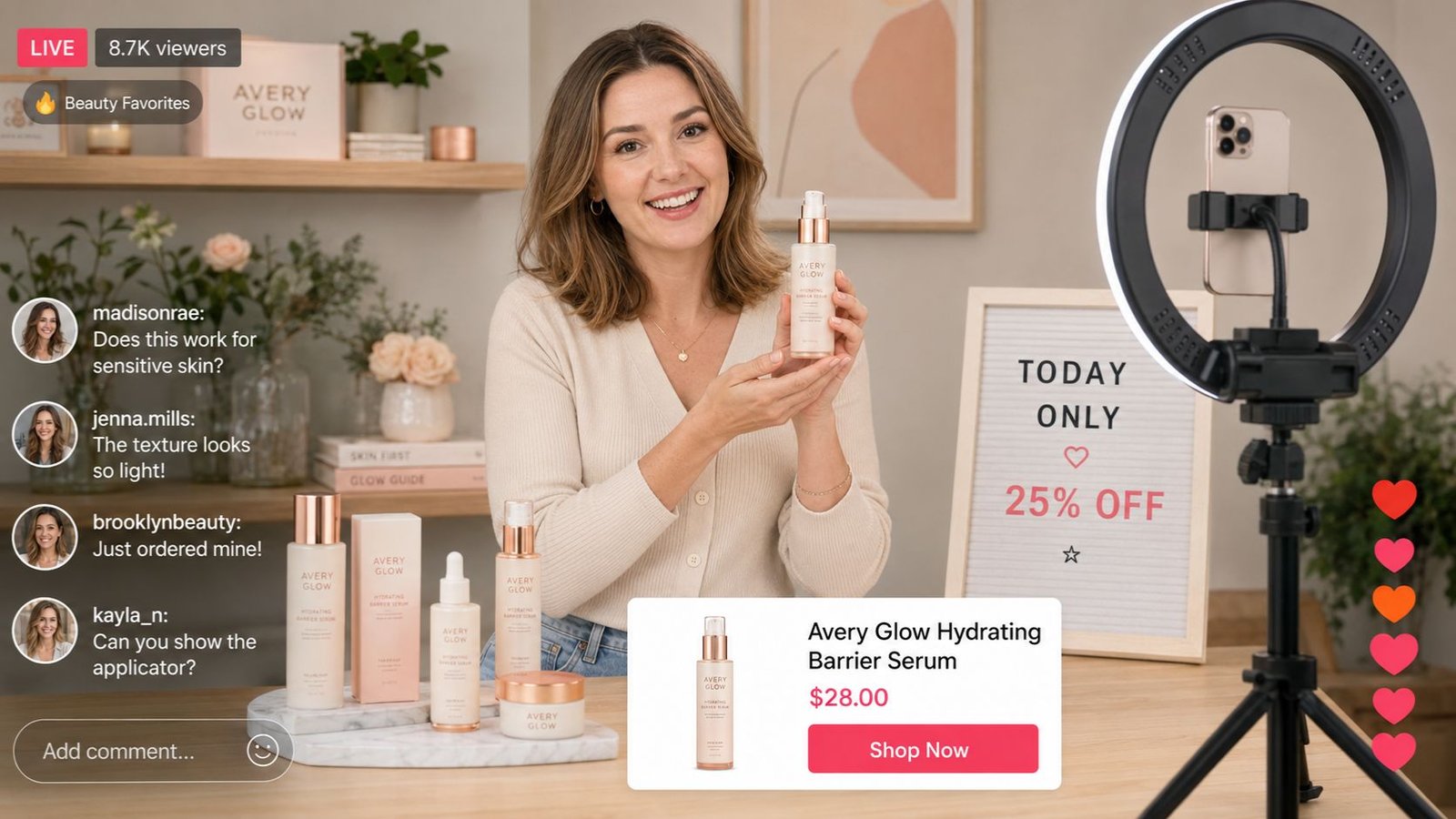
At RGC Mkt, we partner with product-based e-commerce brands to engineer, optimize, and manage enterprise TikTok Shop operations. Our specialized team handles every aspect of the social commerce lifecycle:
- Initial TikTok Shop Setup & Catalog Optimization: Native shop configuration, WMS/API catalog integration, policy compliance, and conversion-focused page optimization.
- Automated Creator Operations & Affiliate Scaling: End-to-end affiliate management, automated outreach pipeline deployment, sample logistics, and tiered commission optimization.
- TikTok Paid Media Management: Expert execution of Spark Ads, Video Shopping Ads, LIVE Shopping Ads, and retargeting campaigns.
- Campaign & Financial Strategy: Contribution margin modeling, promotion guardrail enforcement, seasonal event planning, and cross-channel attribution.
Whether you are launching a new product line on TikTok Shop or scaling an existing storefront into a multi-million-dollar channel, connect with the RGC Mkt strategic team to request a custom channel performance audit and growth roadmap.