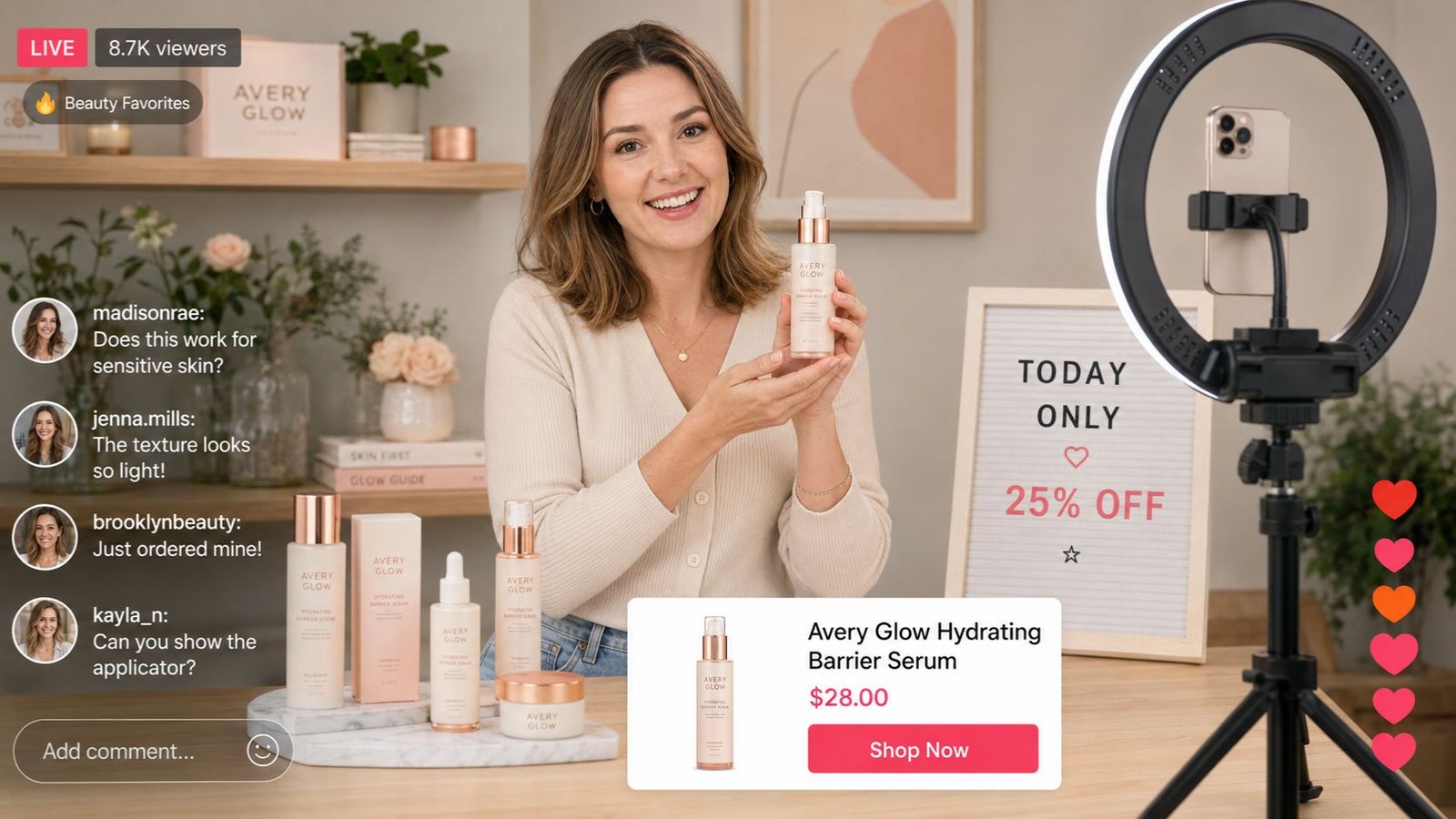

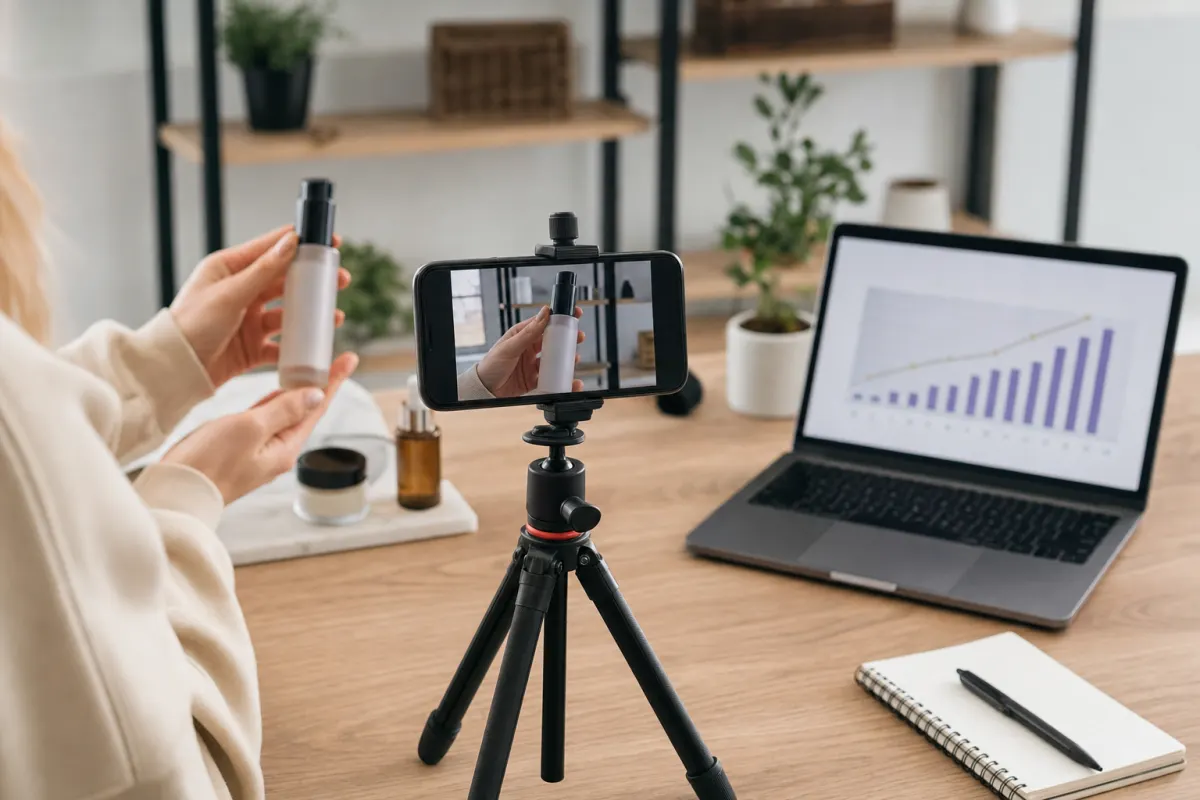
Building a meaningful affiliate business on TikTok Shop is no longer a matter of luck or timing alone. The platform has matured enough that the creators generating the highest GMV are following deliberate systems: tested content cadences, selective product choices, and layered monetization structures that keep revenue stable even when individual videos underperform.
The playbook behind a documented $22 million in aggregate GMV offers a rare window into what disciplined execution actually looks like on TikTok Shop. From a single viral video that generated roughly $120,000 in GMV on day one to a full-time operation built on brand partnerships and retainer agreements, every stage of the journey holds lessons that both affiliates and product-based brands can put to work immediately.
How a first viral video produced six-figure GMV
The trajectory started with a single product video posted on July 6, 2023, the first TikTok Shop video after years of building an audience through consistent short-form content. That one video produced approximately $120,000 in GMV, a result that was exceptional but not random. The product had a clear, demonstrable use case that translated naturally into a short vertical clip, and the affiliate had already built posting habits that made the algorithm responsive to the content.
What matters most in the first 72 hours after a video gains traction is not celebrating the result but managing it. The key signals to track immediately are clicks, conversion rate and SKU-level performance. A spike in clicks without a matching conversion rate usually points to a landing page or listing problem. A conversion rate that drops after the first few hours often signals an inventory or fulfillment constraint.
Operationally, the moment a video shows outsized performance, the affiliate needs to contact the brand partner to confirm stock levels, flag the potential for a reorder and prepare follow-up content that sustains momentum. Virality fades quickly; a second and third video posted within 48 hours of the original can extend the demand curve significantly.
- Confirm product availability and shipping capacity with the brand within 24 hours
- Monitor CTR, conversion rate and return rate in real time
- Prepare two to three content variations to publish before the algorithm cycle resets
- Document what worked: hook style, video length, product angle and caption format
Content cadence and scaling: how to post for TikTok Shop
Posting consistently since 2020 and daily since 2021 was a foundational habit long before TikTok Shop existed. That volume of practice meant the affiliate had already developed instincts for hooks, pacing and audience response by the time commissions were on the table. The lesson is straightforward: cadence is not just a growth tactic, it is a skill-building mechanism.
For affiliates starting today, the sustainable starting point is three to five short videos per week per promoted product, with a structured testing approach rather than random output. The fastest way to test a product is to produce three videos in one week using different hooks and measure which one drives the highest click-through and conversion. From there, scale the winning format into five variations the following week.
Content formats that consistently perform for TikTok Shop include quick product demos, before-and-after clips, unboxing reactions, short tutorials showing a specific use case, and comparison shots that highlight a product’s advantage. Each format serves a different stage of buyer intent, so mixing them across a weekly calendar covers more of the funnel without repeating the same message.
High posting frequency increases the probability of discovery but does not guarantee virality. The realistic goal is to build a baseline of predictable performance across a portfolio of videos so that the business is not dependent on a single breakout post.
Product selection, sampling and brand partnerships
Not every product is worth promoting on TikTok Shop, and selecting poorly is one of the most common reasons affiliate revenue stalls. The products that convert best in short-form video share a few consistent characteristics: a visible problem being solved, a satisfying or surprising visual demonstration, reliable shipping times and margins that justify the commission effort.
Securing products to create content with follows two main paths. The first is the platform’s sample-request workflow, which became more structured as TikTok Shop matured. The second and often more effective path is direct brand outreach, where the affiliate contacts the brand independently, explains their content approach, and requests product for review. Direct relationships tend to move faster, give more creative flexibility and open the door to deeper partnership conversations.
When reaching out to a brand, keep the initial message short: what your channel does, the audience size and demographic, what deliverables you can commit to and a realistic timeline for sample fulfillment. Brands are far more likely to respond to specifics than to general enthusiasm. As the relationship develops, it becomes natural to discuss affiliate tracking setup, exclusivity considerations and the possibility of a retainer arrangement.
- Prioritize products with a demonstrable use case visible in under 15 seconds
- Check fulfillment reliability before committing to heavy promotional volume
- Disclose brand-provided products per platform guidelines and applicable regulations
- Avoid over-relying on a single supplier; build a portfolio of brand relationships
Monetization: commissions, retainers and diversification
Commission-based revenue is the entry point for most TikTok Shop affiliates, and in 2023 the platform offered commission rates in the range of 20 to 25 percent on qualifying sales, which made the math compelling for affiliates driving meaningful volume. At that historical band, roughly $22 million in aggregate GMV translated to an estimated $2 to $3 million in gross commissions. It is worth noting that commission structures change over time and vary by category, so current rates should always be verified directly with the platform.
The structural weakness of pure commission income is volatility. A single algorithm change, a product going out of stock or a seasonal demand drop can significantly reduce monthly earnings. The practical solution is to add at least one retainer arrangement to the revenue mix. A retainer converts part of the income from variable to fixed, providing a floor that keeps operations stable during slower periods.
Typical retainer deliverables might include a set number of pre-approved short videos per month, a monthly performance summary shared with the brand and one live promotional appearance. These are negotiable, but having them defined in writing protects both sides and sets clear expectations from the start.
Cross-platform distribution across Instagram, YouTube and Facebook adds another layer of diversification. Repurposing a top-performing TikTok Shop video for another platform extends its revenue life without requiring additional production time, and it opens the door to platform-specific brand deals that operate outside TikTok’s commission structure entirely.
Scaling operations and avoiding common affiliate mistakes
Scaling past a certain volume of GMV requires treating the affiliate operation as a business rather than a solo content practice. The transition to full-time content work in 2024 came with the need to bring in a partner to handle brand communications and operational coordination, a clear signal that production capacity and relationship management become bottlenecks before most affiliates expect them to.
The most common operational mistakes at this stage follow a predictable pattern: underestimating fulfillment risk after a viral event, failing to publish follow-up content quickly enough to sustain demand, over-relying on a single product or brand, and not tracking attribution closely enough to know which content is actually driving conversions.
Building a simple SOP for viral events solves the first two problems. When a video starts pulling unusually high traffic, the SOP should trigger immediate steps: confirm inventory with the brand, assess shipping capacity, publish one or two follow-up videos within 48 hours and monitor return rates closely. Spikes in returns after viral events are common and can erase a significant portion of the commission if not caught early.
- CTR: measures content discoverability and hook effectiveness
- Conversion rate: measures how well the product listing and offer convert viewers to buyers
- AOV (average order value): indicates whether bundle or upsell opportunities exist
- Return rate: flags fulfillment issues or expectation mismatches in the content
- GMV per video: identifies your highest-leverage content formats and products
Tracking these five KPIs consistently across every campaign makes it possible to allocate effort toward what works and cut what does not, which is ultimately the discipline that separates sustainable scale from a series of unpredictable spikes.
Conclusion
The path from a first viral video to $22 million in TikTok Shop GMV was not built on a single moment of luck. It was built on posting discipline developed over years, a selective approach to product choice, direct brand relationships that created content and financial advantages, and a revenue model that combined commissions with retainers to reduce volatility. Each of those elements is replicable with the right processes in place.
For brands and creators operating in the TikTok Shop and social commerce space, the practical takeaway is that sustainable GMV growth requires more than great content. It requires product listing optimization that converts clicks into buyers, creator partnerships that generate consistent volume, TikTok Ads strategies that amplify what is already working organically, and a TikTok Shop growth strategy that connects all of these pieces into a single operational system. Getting any one element right accelerates results; getting all of them aligned is what produces compounding growth.
If you are building or scaling a TikTok Shop presence and want a team that specializes in the full range of services, from initial TikTok Shop setup and TikTok Shop Marketplace Management to Creator and Influencer Outreach, Campaign Planning and Campaign Optimization, RGC Mkt works directly with brands in the TikTok Shop and social commerce segment. Reach out to the RGC Mkt team to get tailored guidance for your specific goals and category.