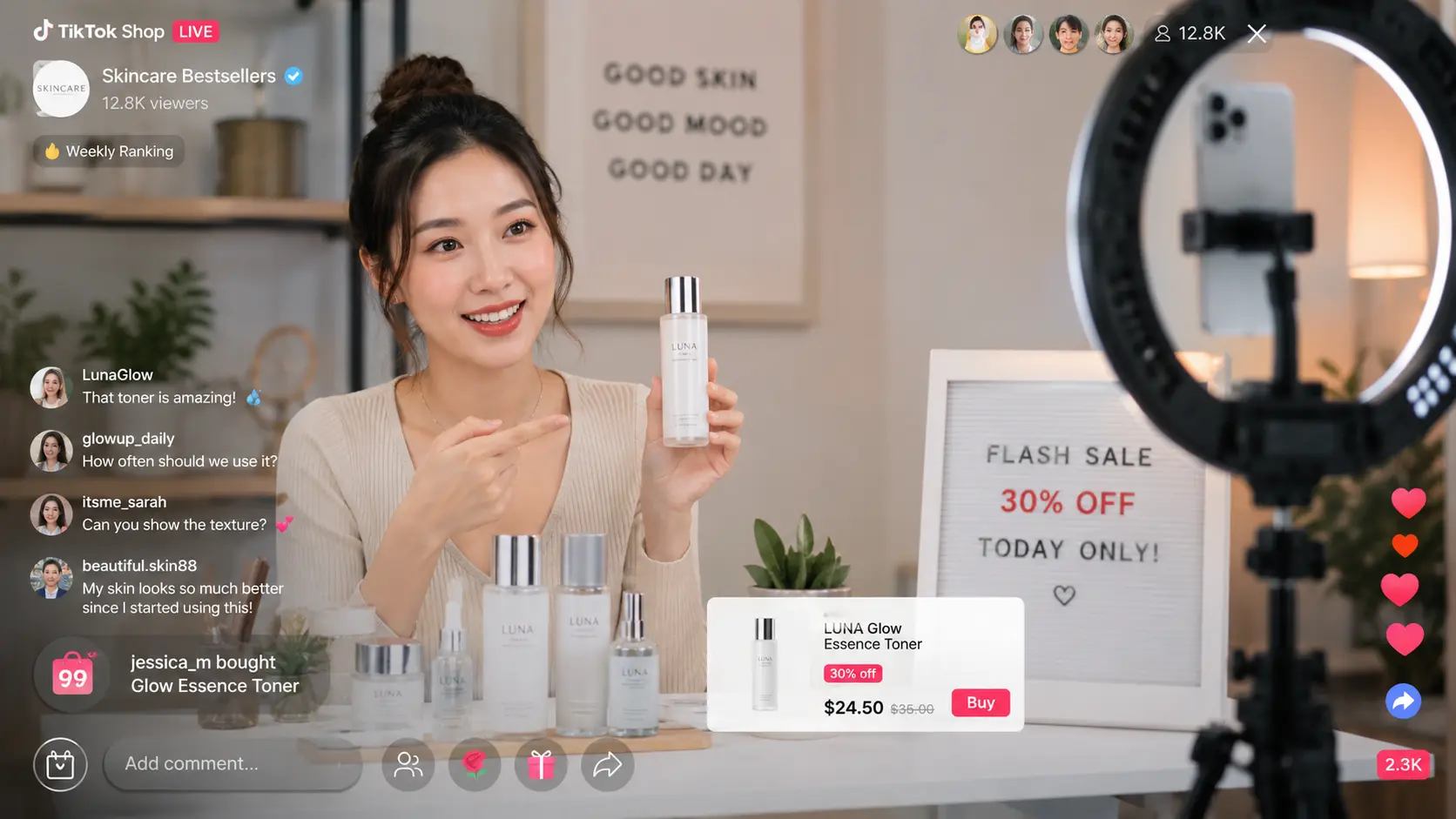

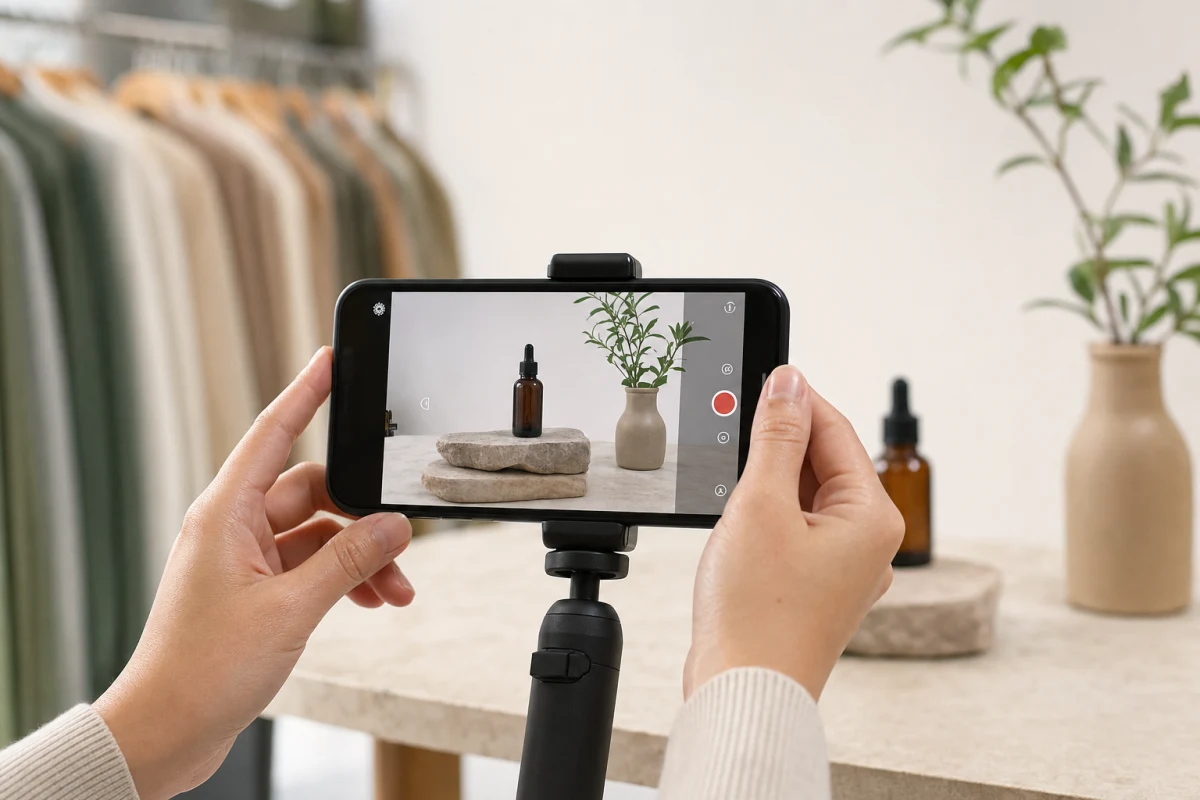
For most product-based brands on TikTok Shop, the default growth playbook has looked the same for the past few years: send free samples to as many creators as possible and hope the content drives sales. It is a volume game, and on the surface it seems logical. More creators posting means more visibility, which should mean more purchases.
The problem is that the economics rarely hold up. As smarter brands start auditing what mass sampling actually costs versus what it returns, a clearer picture is emerging: strategic creator investment built around retainers and pilots tends to outperform high-volume sample sends. This shift is expected to define how competitive TikTok Shop brands allocate their budgets heading into 2026.
Why mass sampling is becoming inefficient for TikTok Shop
The typical mass sampling workflow starts with a budget, usually several thousand dollars, used to source and ship products to a large pool of creators. Consider a straightforward example: a $5,000 sample budget covering roughly 500 units sent to affiliate creators. On the surface, 500 potential pieces of content sounds promising.
In practice, the posting rate for sample recipients tends to hover around 65 to 70 percent. That means roughly 150 to 175 creators out of 500 never post at all. Of those who do post, fewer than 10 percent typically generate any measurable sales. The cost per acquisition, when calculated honestly against the full sample spend, often looks far less attractive than the initial budget implied.
The hidden costs compound the problem. Beyond the product value itself, brands absorb shipping, packaging, and account management time. There is also no creative control: content quality, messaging consistency, and how the product is positioned vary widely across hundreds of individual posts. High volume does not automatically produce predictable ROI, and without a feedback loop, it is difficult to know which angles are working and which are not.
What strategic creator investment (retainers + pilots) actually means
Strategic creator investment shifts the focus from volume to intentionality. Instead of sending samples broadly and waiting to see what sticks, the model starts with a defined objective: identify winning creative angles through a controlled pilot, then scale what works through ongoing creator retainers.
A pilot is a low-budget, time-limited test. A small group of creators receives clear briefs, defined deliverables, and agreed-upon success metrics. The goal is not immediate scale but learning: which content formats, hooks, and product narratives drive engagement and, critically, sales. This makes the pilot the diagnostic phase before any significant budget commitment.
Retainers come after a pilot has validated at least one strong creative direction. A retainer structures an ongoing relationship with a creator, providing consistent content production under agreed terms. This differs meaningfully from commission-only arrangements, which can generate early enthusiasm but often experience drop-off after two to three months as creator motivation decreases. Retainers with clear creative logic and regular performance reviews tend to produce more consistent output over time.
How to design a low-cost pilot to find winning creative angles
A well-structured pilot does not require a large budget. The priority is selecting the right creators, giving them a tight brief, and measuring results against specific KPIs before drawing any conclusions. Here is what that looks like in practice:
- Creator selection: Choose creators whose audience demographics align with the product’s target buyer. Follower count matters less than engagement rate and content relevance. A smaller creator with a highly engaged niche audience will often outperform a larger account with broad, passive followers.
- Briefing: Provide a simple creative brief that defines the product angle to test, the key message, preferred formats (for example, a product demo versus a lifestyle integration), and any required disclosures. Avoid over-scripting. Give creators enough structure to stay on message without removing the authenticity that makes TikTok content effective.
- Deliverables: Ask each creator for three to five short clips testing two to three different angles. This gives you enough variation to identify what resonates without overwhelming the creator or the budget.
- Success metrics: Track views, engagement rate, click-through rate, and sales uplift tied to each creator’s unique links or promo codes. Set a short evaluation window, typically two to four weeks, so you can iterate quickly.
Allocating a defined per-creator budget before the pilot begins keeps costs predictable and makes it easier to compare performance across creators once results come in. The pilot only succeeds if measurement is built in from day one.
Scaling creative: calendars, cost per video and ROI economics
Once a pilot identifies one or two winning creative angles, the next step is building a production system around them. This is where a creative calendar becomes essential. Rather than commissioning content reactively, a calendar schedules recurring content themes, product moments, and seasonal hooks in advance. It turns creator output from sporadic posts into a consistent brand presence on the platform.
The unit economics improve meaningfully at this stage. Under a well-structured retainer model, cost per video can drop significantly compared to one-off sample sends, with some brands reporting estimates near $15 per video at scale. That figure depends on creator tier, deliverable volume, and how the retainer is structured, so it should be treated as a directional benchmark rather than a guaranteed outcome.
For initial retainer investments, targeting a minimum 2x ROI is a reasonable threshold to validate whether the model is working before increasing spend. This means if a retainer costs $5,000, the content it produces should generate at least $10,000 in attributed revenue within the measurement period. Reaching that benchmark consistently signals that the creative angles are strong enough to justify broader scaling.
Quality control becomes the key challenge as volume increases. More content means more variation, and not every video will perform equally. Build in a light review process to catch misaligned messaging early, and treat creative refresh as a scheduled activity rather than something triggered only when performance drops.
Budgeting and measurement: unifying samples, creators and ad spend
One of the most common structural problems in TikTok Shop budgeting is fragmentation. Samples come out of one line item, creator fees from another, commissions from a third, and paid ads from a fourth. When these costs sit in separate buckets, it becomes difficult to compare their returns and prioritize the highest-performing activities.
A unified TikTok Shop budget treats all these inputs as parts of a single investment toward the same outcome: revenue on the platform. This does not mean collapsing all spend into one undifferentiated pool. It means tracking each component against shared metrics so that allocation decisions are based on comparative performance data.
Key metrics to monitor across all spend categories include return on ad spend (ROAS), cost per acquisition (CPA), and early lifetime value signals from repeat purchasers. Commission structures and discount costs should be factored into the overall economics rather than treated as separate P&L items. A creator who drives strong first-time purchases but low repeat rates tells a different story than one whose audience converts at a lower rate but returns more often.
A practical approach is to create a single monthly TikTok Shop budget that explicitly funds pilots, retainers, and paid amplification, then review performance on a weekly basis. This cadence allows for faster iteration and makes it easier to reallocate toward what is working before the month closes.
Conclusion
The core shift described throughout this article is straightforward: moving from mass sampling as a default growth tactic to a more deliberate model of strategic creator investment. The data points to a consistent pattern. High-volume sample sends produce uneven results, with posting rates around 65 to 70 percent and sales conversion often below 10 percent. Retainer-led creator partnerships, validated through low-cost pilots, offer a more controllable path to measurable ROI on TikTok Shop and across social commerce more broadly.
The practical sequence matters: run a pilot first, identify winning creative angles, build a creative calendar around what works, manage cost per video as volume scales, and consolidate budgets to make honest allocation decisions. Layering in campaign planning and product listing optimization alongside creator outreach strengthens each part of the funnel rather than treating them as isolated tactics.
For brands that are earlier in the process, establishing the right foundation also makes a significant difference. Getting the store structure, product listings, and creator workflows set up correctly from the start reduces friction when it is time to scale. If you are looking to build or improve your TikTok Shop presence with a smarter approach to creator partnerships and campaign planning, the RGC Mkt team works specifically in TikTok Shop and social commerce and can help you move from setup through Creator and Influencer Outreach. Reach out to the team to talk through where your brand stands and what the right next step looks like.