


Deciding to pay for a TikTok Shop course is not a straightforward call. Free content is everywhere, the platform itself is constantly evolving, and it is easy to wonder whether a structured course actually adds anything beyond what you could piece together on your own. That question is worth taking seriously before spending money.
This article breaks down why investing in a paid course made sense in this context, what the course structure looks like, and what each major module area actually covers. The goal is to give you enough detail to decide whether this type of training fits your situation, without overselling the outcome or underselling the effort required to make it work.
Why I decided to invest (and when a course is optional)
The first thing worth stating clearly is that buying a course is a personal financial decision. Before anything else, the honest recommendation is to assess your budget. If money is tight, free resources on TikTok and other platforms can take you a long way. There is no shortage of short-form video content covering shop optimization, hooks, and selling strategies at no cost. Financial readiness should come before structured learning, not the other way around.
That said, free resources have a real limitation: they are scattered. You might find a great video on hooks one day and a useful tip on categorization another week, but connecting those pieces into a repeatable system takes time. A paid course packages that structure upfront. For a busy seller or a brand team that cannot afford to spend weeks curating free content, that compression of time has genuine value.
It is also worth noting the affiliate disclosure that was part of this review: a small commission is earned if someone purchases through a referral link. That relationship does not change the content of the evaluation, but transparency matters. If you follow any course recommendation from a reviewer, it is reasonable to ask whether an affiliate relationship exists and factor that into how you weigh the opinion.
Who benefits most from paying? Typically, it is creators or brand managers who want a structured learning path, are already generating some content but not seeing consistent results, and have the time to implement what they learn. If you are completely new and still figuring out TikTok as a platform, starting with free resources first is a sensible approach before committing to paid training.
Course structure and lesson format: what to expect
The course is organized into 13 modules. That number matters because it tells you the scope: this is not a single deep-dive session, but a sequenced curriculum designed to move from foundational concepts to more advanced tactics across multiple topic areas.
What makes the format practical is the lesson length. Most videos run under five minutes, and several are under three. Each module pairs a short video with bullet-point notes you can reference later without rewatching. That combination is genuinely useful for busy schedules. You can consume a module during a lunch break and return to the notes when you are actually creating content.
This structure also fits naturally into a batch learning approach. Rather than trying to absorb everything at once, you can move through two or three modules in a single session, take notes, and then spend a separate block of time implementing what you learned. The short format removes the friction that often stops people from finishing longer courses.
Key tactical modules: hooks, SEO, categorization and hashtags
The tactical core of the course covers three interconnected areas: hooks and calls to action, categorization and SEO, and hashtag strategy. These are not isolated topics. They work together to determine whether your content reaches the right audience and converts their attention into action.
On the hooks side, the course distinguishes between visual hooks and verbal hooks. A visual hook is what stops someone from scrolling in the first second or two. A verbal hook is what you say to keep them watching. The modules walk through examples of both and connect them to calls to action that are designed to prompt a purchase rather than just passive engagement. The practical takeaway is that a strong opening is not enough on its own. It needs to lead somewhere.
Categorization and search engine optimization get meaningful attention. The logic here is straightforward: if you mis-categorize a product or use generic tags, the algorithm may surface your content to viewers who have no interest in buying. A hair-care product aimed at people managing long-hair routines, for example, performs better with specific, audience-matched keywords than with broad tags that pull in unrelated traffic. Getting categorization right reduces wasted impressions and supports product discovery without requiring additional ad spend.
The hashtag module reinforces this by focusing on strategic selection rather than volume. The guidance steers away from overly salesy language in tags, which can feel spammy to both the algorithm and viewers. The emphasis is on terms that reflect genuine search intent and match the product’s actual use case.
Content strategies that drive sales: selling formats and viral triggers
This section of the course shifts from optimization to creation. The modules here cover different selling formats and explain how certain content structures tend to generate stronger engagement signals. The key word is “tend.” No format guarantees virality, but understanding why certain structures work gives you a more informed starting point for testing.
The selling formats covered include skits, storytelling, bottom-of-funnel content, and faceless video. Each serves a different purpose. Skits create entertainment value that lowers the viewer’s guard before the product is introduced. Storytelling builds emotional context. Bottom-of-funnel content speaks directly to a viewer who is already close to a purchase decision. Faceless content, including ASMR-style clips, removes the need for a recognizable presenter and often works well for product demonstrations.
The viral breakdown section of the course is particularly useful because it goes beyond simply listing formats. It analyzes why certain video styles spread: emotion, problem-solution structure, format novelty, or a combination. The practical application is testing. A useful exercise is to produce both a short problem-solution clip and a faceless ASMR clip for the same product and compare engagement signals before scaling whichever performs better.
Batch creation and organization round out this part of the course. The guidance here is about producing content at scale without burning out. Planning shoots in advance, grouping similar content types, and organizing assets before editing all reduce the time cost per video. For small teams or solo sellers, those efficiency gains are often the difference between posting consistently and posting sporadically.
Is this course right for you? Pros, cons and buying checklist
Like any paid resource, this course has real strengths and real limitations. Being clear about both helps you make a decision that fits your actual situation rather than an idealized version of it.
Pros:
- Concise, well-paced lessons that fit into a busy schedule
- A structured learning path that connects hooks, SEO, categorization and content strategy
- Practical module notes that support implementation without rewatching
- Coverage of multiple selling formats and viral structures in one place
Cons:
- The cost may not be justified if free resources can meet your needs at your current skill level
- Some content may overlap with what you already know if you have been active on TikTok Shop for a while
- Results depend entirely on execution and product-market fit, not on completing the course
Before purchasing, work through this checklist:
- Is this expense within your current budget without straining other business costs?
- Have you already explored free TikTok Shop training content and found it insufficient?
- Can you dedicate two to four hours per week to implement course strategies and produce batch content?
- Are you selling or planning to sell a product with clear use cases that lend themselves to short-form video?
- Do you need a structured path rather than ad hoc tips to stay consistent?
If most of those answers are yes, the course is likely a reasonable investment. If several are no, starting with free content and reassessing in a few months is the more practical route. When possible, look for sample lessons or a refund policy before committing, so you can evaluate the teaching style and depth before the purchase is final.
Conclusion
The core takeaway from this review is that a well-structured TikTok Shop course can meaningfully compress the time it takes to build a repeatable content system. The 13-module format covers the right fundamentals: hooks, calls to action, SEO and categorization, selling formats, viral mechanics, and batch creation. Lessons are short enough to fit into a real workday, and the structure bridges the gap between scattered free content and a coherent implementation plan. The financial disclosure piece is also worth internalizing: understanding affiliate relationships in course recommendations is part of making informed buying decisions.
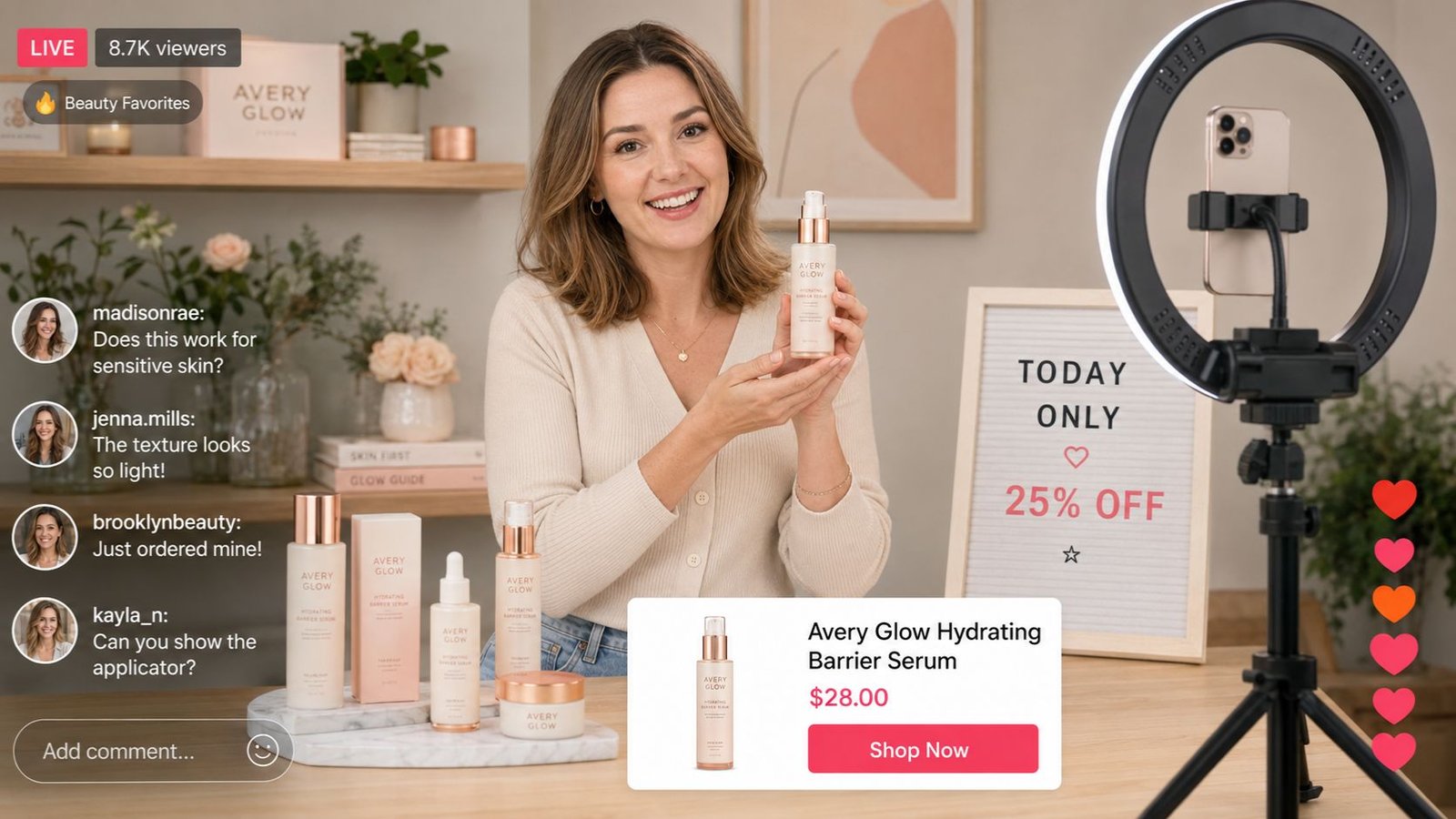
These learnings connect directly to how brands and creators approach TikTok Shop setup and product listing optimization more broadly. Getting categorization right, building discoverable content, and testing selling formats are not just course assignments. They are the operational foundation of any serious TikTok Shop strategy. Brands that invest in understanding these mechanics early tend to spend less time fixing avoidable mistakes in their content and shop configuration later.
RGC Mkt works specifically in the TikTok Shop and Social Commerce space, helping businesses navigate platform strategy, content planning, and shop optimization. Whether the challenge is building a content framework from scratch, improving product discovery, or planning TikTok Ads campaigns that complement organic efforts, the team brings focused expertise to each stage of the process. If you are evaluating your next move on TikTok Shop and want guidance tailored to your products and goals, reach out to the RGC Mkt team to start the conversation.