

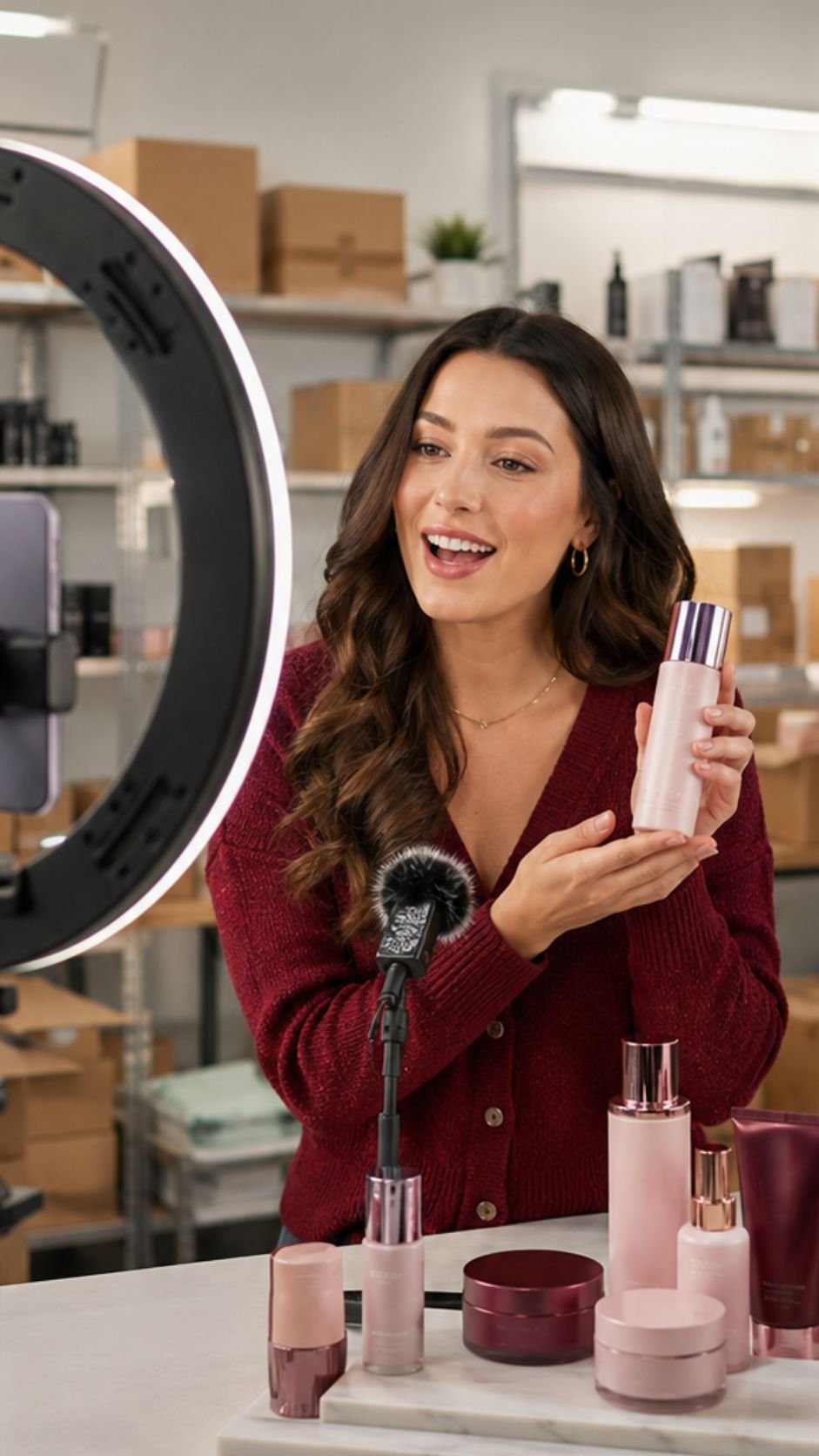
TikTok Shop has moved well beyond its early adopter phase. For product-based brands that understand how to use it, the platform offers something most sales channels cannot: a native, frictionless path from content discovery to completed purchase, all without leaving the app. That combination of entertainment and commerce is reshaping how consumers find and buy products online.
But the platform is not a guaranteed growth engine for every business. Before investing in setup, creative production, and paid campaigns, it is worth understanding exactly how TikTok Shop works, which brands benefit most, and what separates sellers who scale from those who stall. This guide walks through each of those questions and closes with a practical checklist to help you decide whether TikTok Shop deserves a place in your e-commerce strategy.
How TikTok Shop Works: The Buyer and Seller Experience
Buyers reach products through two main paths. The first is shoppable videos and live streams: a creator or brand posts content with a product link visible on screen, the viewer taps it, and a product page opens immediately within the app. The second is the Shop catalog tab, where users browse and search listings algorithmically served based on interest signals. Both paths lead to the same outcome: a native checkout experience that keeps the buyer inside TikTok from start to finish.
The speed of that checkout is one of TikTok Shop’s most significant advantages. When a buyer has already saved payment and shipping information in the app, the purchase can be completed in roughly two taps. That reduction in friction directly improves conversion rates compared to funnels that redirect users to an external website. It is worth noting, though, that this speed depends on the buyer having set up their account in advance, so not every session converts at the same rate.
On the seller side, getting started involves opening a TikTok Shop account through the Seller Center, building a product catalog, and configuring shipping and payment settings. Sellers can connect existing storefronts through integrations with platforms like Shopify, WooCommerce, and Amazon to sync inventory and product listings without manually duplicating data. Optimized listings with clear titles, quality images, and accurate descriptions matter from day one, since the catalog feeds both organic discovery and paid placements.
Which E-commerce Businesses Thrive on TikTok Shop
Not every product is a natural fit for social commerce. The businesses that consistently perform well on TikTok Shop tend to sell visually engaging, story-driven products that communicate their value in a short clip. Private-label brands, product-based retailers, and resellers in categories like beauty, wellness, home goods, accessories, and apparel are common examples. Impulse-buy items with clear before-and-after results or obvious demonstrations tend to generate strong conversion once the creative hooks are in place.
Beyond product type, several operational factors increase the probability of success. Brands need a reliable fulfillment setup, because fast shipping is expected and poor logistics lead to negative reviews that damage algorithmic visibility. Competitive pricing matters, as does having enough margin to absorb the cost of paid testing and creator partnerships without immediately turning unprofitable. A brand that can consistently produce short-form video content, either in-house or through creators, starts with a structural advantage.
On the other side, some business models are a poor match for the platform. Low-margin commodity products leave little room to run paid campaigns or pay creator commissions. B2B offerings rarely align with TikTok’s consumer-focused discovery model. Products that require a long consideration cycle, complex customization, or detailed consultation before purchase are also difficult to convert in the fast-scroll environment that defines the platform. Recognizing those limits early saves significant time and budget.
Key Features, Integrations and Fulfillment Options
One of TikTok Shop’s most powerful native features is its affiliate and creator system. Sellers can recruit creators directly through the Seller Center, offering commission-based partnerships at scale. A brand can seed products to dozens of micro-creators simultaneously, generating a broad pipeline of organic content without managing individual influencer contracts outside the platform. This system lowers the barrier to creator partnerships and allows sellers to test multiple content angles efficiently.
Integration options make TikTok Shop more accessible to brands already operating on established e-commerce platforms. Shopify and WooCommerce connections allow sellers to sync their existing product catalog and manage inventory from a single source of truth. Amazon integration extends this further for brands already using that marketplace. The practical benefit is reduced operational overhead: listing updates, pricing changes, and stock levels can propagate across channels without redundant manual work.
For fulfillment, sellers have two primary paths. The first is using their own third-party logistics provider, which preserves control over packaging, shipping speed, and cost structure. The second is Fulfilled by TikTok (FBT), a platform-managed fulfillment program that can improve delivery times and simplify logistics for qualifying sellers. FBT can make sense for high-velocity SKUs, but it introduces fees that need to be calculated against margins before committing. A reasonable approach for many sellers is to test FBT on best-selling products while keeping slower-moving inventory in their own 3PL.
Common Mistakes Sellers Make on TikTok Shop
The most frequent mistake is treating TikTok Shop as a channel that rewards luck over consistency. Sellers who launch hoping one video goes viral, without a repeatable creative process or a stable fulfillment operation, tend to stall quickly. Sustainable results come from a steady pipeline of content, structured creator partnerships, and a product page setup that converts the traffic the content generates. Virality can accelerate growth, but it should not be the plan.
Underinvesting in product listing optimization is another common error. Listings with weak titles, low-quality images, or missing product details lose ground in both the catalog algorithm and buyer trust. Every element of the listing contributes to whether a shopper completes a purchase or exits. Treat product listing optimization with the same discipline applied to a standard e-commerce product page, because it functions as one.
Many sellers also enter the platform without a clear picture of their full cost structure. Creator commissions, TikTok Ads spend, FBT fees, and platform transaction costs can erode margins faster than expected if not modeled in advance. Before scaling any campaign, calculate the maximum allowable CAC and the margin required to remain profitable at different volume levels. Brands that skip this step often run campaigns that generate GMV but destroy profitability.
Finally, weak measurement is a persistent problem. Sellers who do not track native metrics like GMV, conversion rate by content type, and return rates end up making budget decisions based on incomplete data. The Seller Center provides reporting tools that, when used consistently, reveal which products, creators, and campaigns are actually driving outcomes worth scaling.
Decision Checklist: Should Your Brand Start Selling on TikTok Shop?
Before committing resources to a TikTok Shop launch, work through these questions honestly. Each one reflects a variable that tends to determine whether the channel produces a return or drains budget without traction:
- Product fit: Is your product visual, demonstrable, and easy to communicate in under 60 seconds?
- Margin: Do your margins support creator commissions, paid ads, and platform fees while remaining profitable?
- Fulfillment: Can you ship orders reliably within platform-expected timeframes?
- Creative pipeline: Do you have the capacity to produce or source consistent short-form video content?
- Budget for testing: Can you allocate budget for paid campaigns and creator seeding over a 60 to 90-day test period?
- KPIs defined: Have you set target metrics for conversion rate, CAC, and ROAS before launching?
If most of those boxes are checked, a structured test is worth running. A practical starting point is listing a focused set of 8 to 12 SKUs, partnering with a handful of micro-creators for organic seeding, and running a modest daily paid budget to amplify what performs. Measure conversion and customer acquisition cost at the end of the first 30 days, then iterate based on what the data shows rather than initial assumptions.
If several boxes remain unchecked, particularly on margins or fulfillment, address those gaps before investing in the channel. Launching with an underprepared logistics operation or margins too thin to support paid testing typically produces losses, not learning. In those situations, prioritizing operational readiness first creates a stronger foundation when the launch does happen.
Conclusion
TikTok Shop is a genuinely effective sales channel for the right type of business. Its native checkout, shoppable video format, creator affiliate system, and platform integrations create conditions where product-based brands with strong visual appeal, healthy margins, and reliable fulfillment can build meaningful revenue. The brands that thrive treat it as a structured commerce operation, not a content experiment, and they invest consistently in product listing optimization, creator partnerships, and campaign measurement from the start.
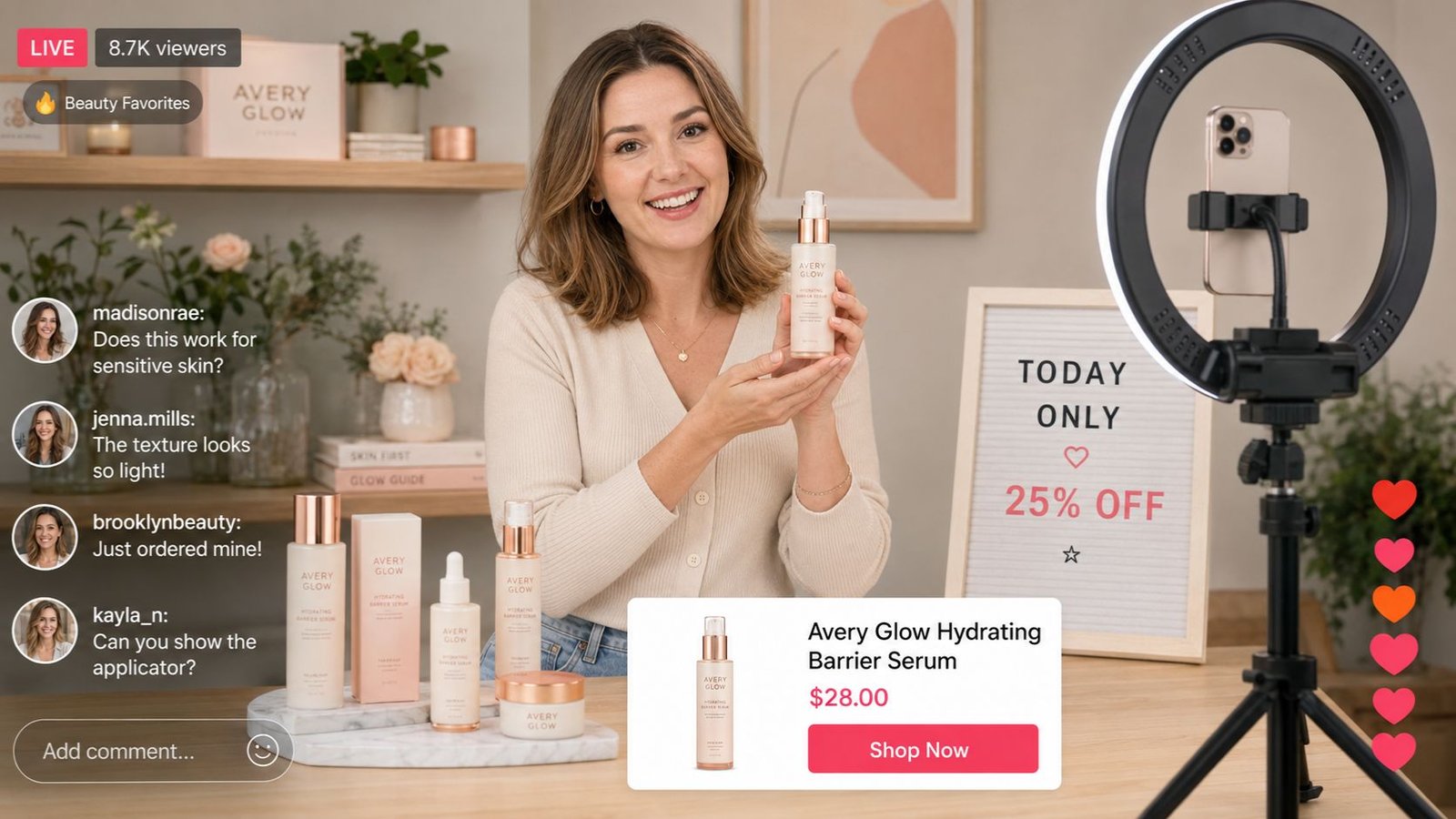
That said, the channel demands honest self-assessment. Businesses with low margins, complex products, or fragile fulfillment infrastructure are likely to find the cost of entry higher than the return. The checklist in the previous section exists precisely to surface those gaps before they become expensive lessons.
For brands that have evaluated the fit and are ready to move forward, working with a TikTok Shop agency that understands the full picture, from initial TikTok Shop setup and product catalog optimization to TikTok Ads Management, creator and influencer outreach, and ongoing TikTok Shop marketplace management, can significantly reduce the learning curve. RGC Mkt works with e-commerce brands in the social commerce space to build and manage TikTok Shop operations across each of those areas. If you are ready to assess whether TikTok Shop is the right next channel for your brand, reach out to the team for a conversation about your specific situation and goals.