


Reaching $15,000 in daily product sales on TikTok Shop is not the result of a single viral video or a last-minute promotional push. It is the outcome of a deliberate system: optimized listings, replicable content built on competitor research, and an affiliate network that multiplies creative output at scale. Most sellers skip the foundational work and jump straight to promotion, which is precisely why so many shops plateau early.
This guide breaks down the tactical playbook behind that kind of consistent performance, including a practical checklist for Black Friday and Cyber Monday. Whether you are setting up a new shop or preparing to scale an existing one, the sections below give you a sequential framework to follow, from product strategy all the way through peak-season campaign execution.
Build a solid TikTok Shop foundation: product strategy and setup
Before you invest in content or paid amplification, your shop needs to be structurally ready. That means completing every element of the setup: verified business information, shipping policies, return policies, and at minimum one fully optimized product listing. Skipping this step and running traffic to an incomplete shop wastes budget and erodes trust with first-time buyers.
Product selection is the second pillar of the foundation. Prioritize products with a clear, demonstrable benefit that translates well to short-form video. Items that solve a visible problem, show a before-and-after result, or carry strong social proof tend to outperform products that require lengthy explanation. Impulse-friendly price points help too, though a well-positioned premium product can convert if the listing communicates value clearly.
Affiliate onboarding belongs in this early phase, not after you have already tried to scale. Identify a small group of creators in your niche, provide them with a simple brief covering your top hooks and preferred editing style, and start generating content before you push for volume. Getting this process documented early means you can replicate it efficiently as the creator roster grows.
- Complete all shop settings and policies before driving any traffic.
- Select products with a clear, video-friendly benefit and a competitive price point.
- Draft a one-page affiliate brief with top hooks, brand tone, and deliverable expectations.
- Test at least one listing end-to-end (add to cart, checkout, fulfillment) before scaling.
How to optimize product listings: titles, thumbnails, photos and pricing
Titles should lead with the benefit, not the product name. A title like “Hydrating serum that clears acne in seven days” outperforms a generic label because it answers the buyer’s implicit question: what does this do for me? A useful template is: [Benefit] that [specific result] in [timeframe]. Keep it readable, avoid keyword stuffing, and prioritize the conversion trigger over search volume alone.
Your first listing image should be a clean, high-resolution product shot on a plain background. From the second image onward, shift to lifestyle and social-proof content: in-use result photos, before-and-after visuals, customer review screenshots, and feature close-ups. TikTok Shop supports up to nine listing images, and using between five and nine meaningfully different images consistently outperforms minimal galleries. Each image should earn its place by answering a new question the buyer might have.
Pricing requires intentional positioning. Research the competitive range for your category before setting a number. If you want impulse conversions, price within or slightly below the market median and make that value obvious in the listing copy. If you are positioning as a premium option, your imagery and copy need to justify the gap explicitly. Ambiguous pricing with no clear rationale is the fastest way to lose a buyer at the final step.
In the listing copy itself, lead with benefits and follow with features. Close with a clear call to action that creates mild urgency without false scarcity. Every element of the listing, from the title to the last photo, should move the buyer toward one decision: add to cart.
Use market research to identify top-performing content and hooks
The fastest path to producing converting content is studying what already converts in your category. A market research tool that indexes top-performing TikTok Shop videos by sales volume, views, and items sold can compress months of trial and error into a focused analysis session. One example from this approach: a single product video generated approximately $173,000 in sales, 25 million views, and around 6,000 items sold within a 30-day window. The goal is not to replicate that video literally but to extract the structural elements behind it.
When auditing a high-performing video, break it into four components: the three-second hook (what stops the scroll), the value demonstration (how the product’s benefit is shown), the social proof moment (a real result, review, or reaction), and the call to action. These four components appear in nearly every top-converting short-form commerce video regardless of category. Once you identify how each element is executed in the best-performing examples in your niche, you have a repeatable creative blueprint.
Translate that blueprint into a written creative brief before distributing it to affiliates or your in-house team. The brief should specify the hook format (question, bold claim, visual pattern interrupt), the demonstration style (tutorial, transformation, side-by-side), and the CTA language. Using consistent briefs across multiple creators is what allows you to test variations systematically rather than getting random results from unguided content.
Scale with affiliates and creator partnerships
An in-house content team has a hard ceiling on output. An affiliate network does not. By recruiting and briefing creators who already have engaged audiences in your niche, you can go from a handful of weekly videos to hundreds, without proportionally increasing production costs. The key is treating affiliate management as an operational process, not an informal outreach effort.
Start with a standardized outreach message that communicates the product benefit, commission structure, and expected deliverables clearly. Attach the creative brief from your market research phase so creators understand the hooks and editing styles that have already been proven to convert. Early affiliates who perform well become case studies you can use to attract the next tier of creators.
Performance tracking is what separates a scalable affiliate program from a scattered one. Set clear KPIs (views, click-through rate, conversions, revenue per creator) and review them on a weekly cadence. Incentivize top performers with higher commission tiers or early access to new products, and quietly phase out creators whose content consistently underperforms. Avoid over-relying on a single creator, regardless of how well they perform. Diversification protects your revenue if one creator goes inactive or changes their content direction.
Black Friday & Cyber Monday tactical checklist for TikTok Shop
Peak sales events amplify whatever system you already have in place. If your listings are weak and your affiliate pipeline is thin, a Black Friday push will expose those gaps rather than overcome them. If your foundation is solid, a coordinated campaign can produce a measurable uplift in daily revenue. The preparation window should start at least three to four weeks before the event.
Inventory and pricing readiness:
- Confirm stock levels can support a 3x to 5x increase in daily orders.
- Set promotional pricing and verify it reflects a genuine discount versus your standard listing price.
- Add promotional tags and discount badges to eligible listings inside the platform.
- Run a final competitive price check across your category the week before the event.
Creative and affiliate calendar:
- Brief affiliates at least two weeks out with event-specific hooks and promotional messaging.
- Schedule pre-event teaser content in the 5 to 7 days before Black Friday to build awareness.
- Coordinate creator publish times to cluster content during high-traffic windows rather than spreading posts randomly across the day.
- Plan at least one live session on Black Friday and one on Cyber Monday with a clear in-stream offer.
Paid amplification:
- Identify your two or three best-performing organic videos from the previous 30 days and prepare them for paid promotion.
- Allocate budget with a front-loaded pacing model: spend more on Black Friday and Cyber Monday, less on the days between.
- Monitor performance hourly on peak days and reallocate budget to the creatives with the lowest cost per conversion.
Conclusion
The path from an average-performing TikTok Shop to $15,000 in daily revenue runs through three connected disciplines: a well-built product listing foundation, a research-driven content system, and an affiliate network scaled with clear creative guidelines and consistent performance tracking. None of these elements works in isolation. Listing optimization sets the conversion floor, market research provides the creative blueprint, and affiliate partnerships multiply the reach. Skipping any one of them creates a gap that no amount of ad spend can reliably close.
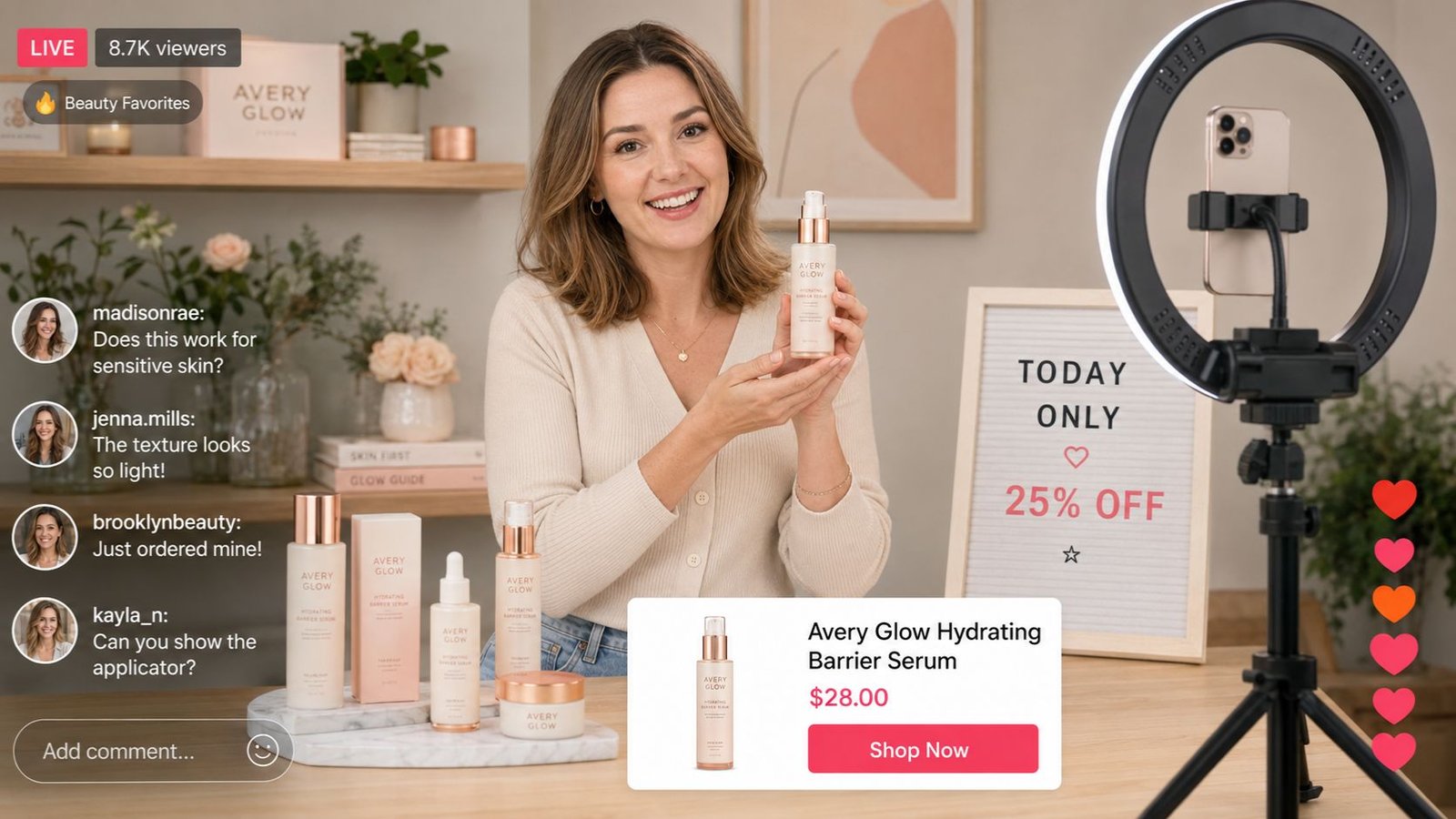
For brands and retailers entering or expanding in social commerce, the complexity is not in understanding these principles. It is in executing them simultaneously while managing inventory, fulfillment, and day-to-day operations. That is where a specialized partner focused on TikTok Shop growth strategy makes a practical difference, supporting everything from initial TikTok Shop setup and product listing optimization to creator and influencer outreach, campaign planning, and ongoing performance management.
If you are preparing your shop for a peak sales event or looking to build a more consistent daily revenue base, the RGC Mkt team is available to evaluate your current setup and outline a customized plan. Reach out and start the conversation.