


There is a window open right now in e-commerce, and it looks a lot like the one that existed on Amazon nearly a decade ago. Back then, the marketplace was growing fast, competition was thin, fees were low, and the brands willing to move early captured category positions that still hold today. TikTok Shop is creating that same dynamic, and most product-based businesses have not acted on it yet.
TikTok Shop is not just another sales channel. It is a full in-app commerce ecosystem where discovery, evaluation, and purchase happen without the buyer ever leaving the platform. That structural shift changes how brands should think about customer acquisition, content, and conversion. This guide covers the opportunity, the mechanics, the setup process, and the strategies to grow from launch to meaningful monthly revenue.
Why TikTok Shop is a once-in-a-decade opportunity
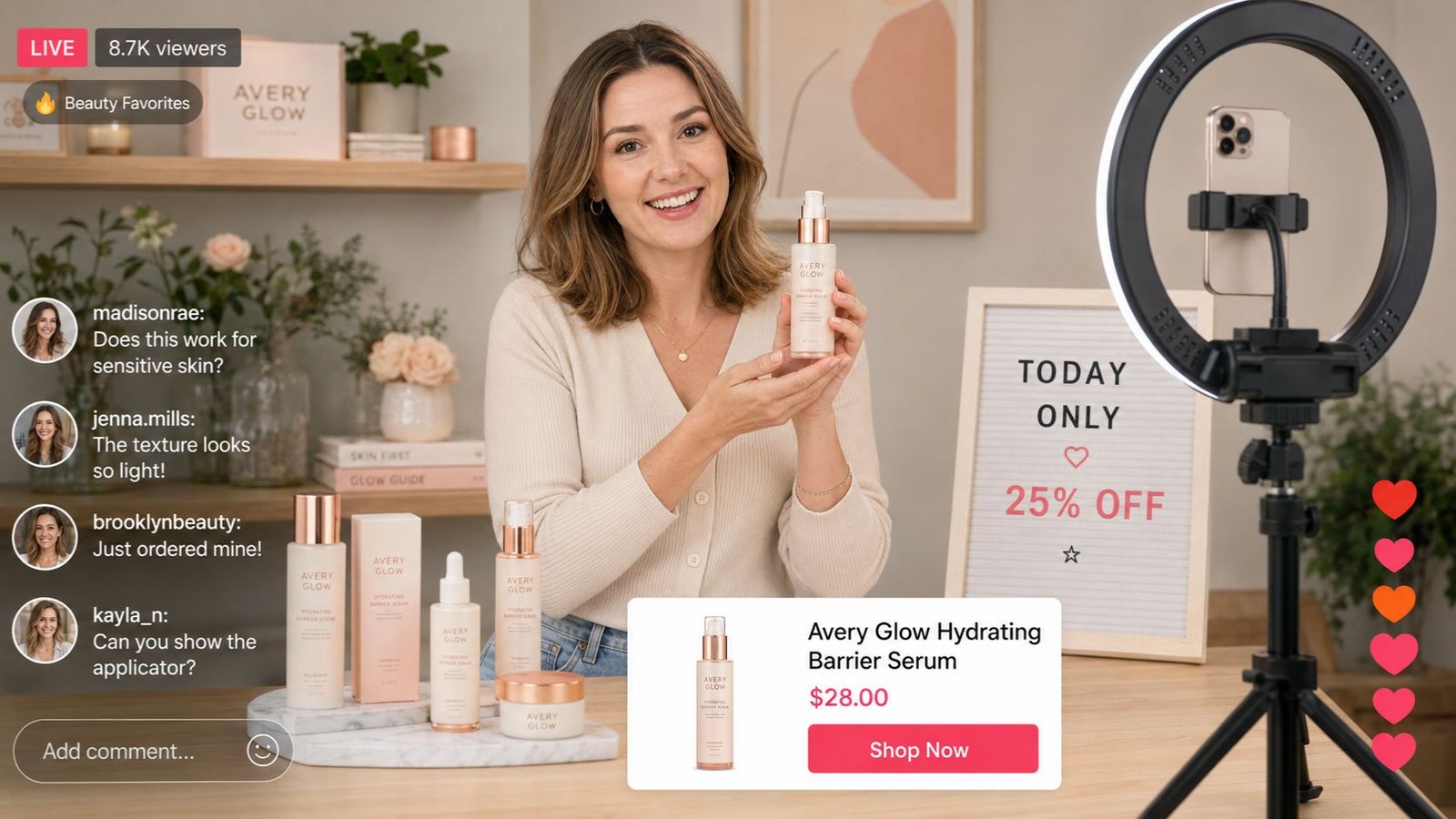
TikTok Shop is a built-in marketplace that lets users discover products through short-form video content, read reviews, and complete a purchase entirely inside the TikTok app. There is no redirect to a website, no external cart, and no additional login required. For consumers, the experience is seamless. For sellers, it means reaching buyers at the exact moment their interest peaks.
The platform is actively pushing Shop adoption by offering incentives to early sellers. These include algorithmic boosts for new shops, lower transaction fees compared to established marketplaces, coupon subsidies funded by the platform, flash sale priority placements, and new seller priority ranking in search results. These are not permanent features. They reflect TikTok’s current growth phase, and they represent a meaningful advantage for brands that move before the window closes.
The analogy to Amazon in 2015 holds because the incentive structure is similar. At that stage, Amazon was investing heavily to attract sellers, organic visibility was easier to capture, and the cost to acquire customers was low. Brands that entered early built compounding advantages through reviews, ranking, and brand familiarity. TikTok Shop is at a comparable inflection point today in social commerce, and early adopters are positioned to benefit from that same compounding effect.
How TikTok Shop works: mechanics that boost conversion
The core conversion advantage of TikTok Shop comes from its native checkout. When a viewer watches a short-form video and decides to buy, they tap a product tag and complete the purchase inside the app using a saved payment method. There are no page loads, no cart abandonment from redirects, and no friction from re-entering shipping details. The buying journey compresses from minutes to seconds.
Short-form content does something traditional product pages cannot. A creator demonstrating a product in a 20-second video delivers social proof, shows the product in real use, and creates emotional context around the purchase. When that same content is shoppable, the gap between intent and action nearly disappears. Built-in reviews and Q&A features within TikTok Shop reinforce that trust at the moment of decision.
Consider the typical path a consumer takes when shopping online: they see an ad, click to a landing page, browse, add to cart, enter details, and complete checkout. Each step introduces an opportunity to drop off. TikTok Shop eliminates most of those steps. The platform design itself is doing conversion work that brands would otherwise need to solve with landing page optimization, retargeting, and checkout UX improvements. That is a structural advantage worth taking seriously.
Setting up your TikTok Shop: technical checklist
Getting started requires a verified seller account. You will need a valid business registration, a compatible payment method, and compliance with TikTok Shop’s seller policies, which vary by region. Before proceeding, review the current seller requirements in TikTok’s official documentation, as eligibility criteria and category rules are updated regularly.
Once your account is active, product listing optimization becomes the most important setup task. Strong listings include:
- Titles written with clear product type, key benefit, and relevant search terms
- Descriptions that lead with three to four benefit-focused sentences before covering specifications
- Images in both 1:1 studio format and lifestyle context showing the product in use
- Accurate inventory sync to avoid overselling during traffic spikes
- Competitive pricing with a launch coupon enabled to improve click-through in early rankings
Beyond listings, configure your payment and shipping settings carefully. Slow or unclear fulfillment timelines hurt review scores, which directly affect organic visibility. Set up flash sale readiness by identifying your top two or three products before launch so you can activate promotions quickly when platform opportunities appear. Finally, install the TikTok Pixel and connect your campaign tracking early, even before you spend on paid traffic, so conversion data starts accumulating from day one.
Leveraging creators and affiliates to scale quickly
Building an in-house content team is one approach, but it has a ceiling. You can manage a small number of creators, produce a limited volume of content, and grow at a pace tied to that team’s capacity. Affiliate creators break that ceiling. Through TikTok Shop’s affiliate program, independent creators can apply to promote your products and earn a commission on each sale they drive. A brand working with dozens or hundreds of affiliate creators generates more content, more reach, and more social proof than any internal team can produce alone.
The quality of creator output depends heavily on how well you brief them. A strong creator brief for TikTok Shop includes a clear product hook for the first three seconds, a demonstration of the core benefit in action, at least one direct call to action, and a tagged link to the in-app product page. Keep briefs simple and focused. Creators who understand the platform will adapt the format naturally; your job is to give them the product context and the conversion objective.
Scaling the affiliate channel requires a systematic outreach process. Identify creators whose audiences align with your product category, reach out with a product sample and commission structure, and track performance by creator using UTM parameters or platform analytics. Over time, double down on the creators whose content drives actual conversions, not just views. Volume matters in affiliate programs, but conversion quality matters more for sustainable growth.
One practical note: TikTok’s creator marketplace tools and affiliate commission features have their own terms and may change. Always verify the current program structure through official platform channels before building your outreach strategy around specific mechanics.
Launch and growth strategies to reach $100K/month
Reaching significant monthly revenue on TikTok Shop is achievable, but it requires treating the platform as a real business channel with a structured plan, not a side experiment. Think in three phases.
Days 0 to 30: Setup and seeding. Launch with your top three to five products fully optimized. Activate launch coupons. Seed five to ten affiliate creators with product samples and clear briefs. Run one flash sale in the first two weeks to generate early reviews and ranking signals. Focus on getting enough purchase data to identify which products convert best before scaling ad spend.
Days 31 to 60: Scale creators and introduce paid traffic. Expand affiliate outreach significantly. Use organic creator content that is already converting as the foundation for TikTok Ads creatives. Start with a modest daily budget on Spark Ads, which amplify creator content with paid distribution, and measure ROAS closely. Use this phase to find your two or three best-performing product-creator combinations.
Days 61 to 90: Optimize and expand. Run structured creative tests across top-performing products. Refine listings based on search term performance and review feedback. Experiment with pricing and bundle configurations to increase average order value (AOV). Expand affiliate volume while maintaining conversion quality checks. Marketplace management at this stage means watching inventory levels, competitor pricing, and platform ranking signals as a regular weekly process.
The KPIs to track throughout are conversion rate by listing, ROAS on paid campaigns, AOV, customer acquisition cost (CAC), and affiliate revenue as a percentage of total sales. These numbers tell you where to invest next and where friction still exists in the buying journey.
Conclusion
TikTok Shop combines the reach of short-form content with the efficiency of native checkout and the scalability of creator partnerships in a way that no previous platform has done at this scale. The structural mechanics, including in-app checkout, algorithmic support for new sellers, and a built-in affiliate ecosystem, reduce the barriers that typically slow down new e-commerce entrants. The window of platform incentives and lower competition that exists today will not stay open indefinitely.
The practical levers covered in this article, from TikTok Shop setup and product listing optimization to creator & influencer outreach, campaign planning, and TikTok Ads management, each contribute to a compounding growth model. No single tactic drives the result on its own. The brands that scale are the ones that execute all of these layers in sequence and iterate based on real performance data.
RGC Mkt works in the TikTok Shop and social commerce segment, helping product-based brands with Initial TikTok Shop Setup, Product Listing Optimization, Creator & Influencer Outreach, TikTok Ads Management, Marketplace Management, and Campaign Planning. If you are evaluating whether TikTok Shop fits your brand or want a review of your current setup, contact the team to discuss a custom TikTok Shop plan.