

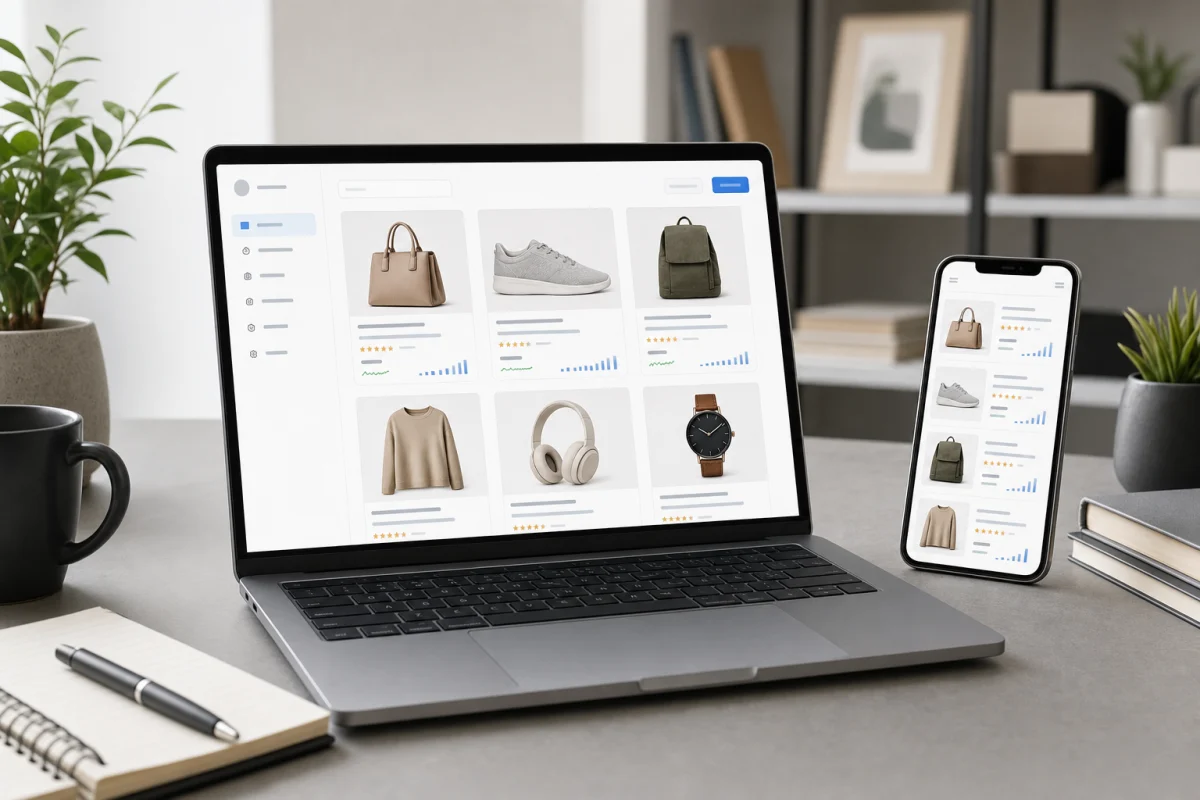
Most brands selling on TikTok Shop focus almost entirely on driving traffic: running ads, partnering with creators, and pushing content. Yet one of the highest-impact moves happens before any of that traffic arrives. A well-optimized product listing converts more of the visitors you already have, making every dollar spent on ads and every creator partnership more efficient.
TikTok Shop product listing optimization is not a one-time task. It is a repeatable process that improves conversion rate, supports organic search placement, and builds the kind of credibility that attracts affiliates and repeat buyers. This guide breaks down each element, from visuals and copy to social proof and technical settings, so you can apply these tactics to your own listings immediately.
Why optimize your TikTok Shop product listing?
The most straightforward reason to optimize your listing is to convert more of your existing traffic. If your current conversion rate is low, sending more visitors to a weak listing only amplifies the problem. Small improvements to images, titles, and reviews can lift conversion rate without any increase in ad spend, which means your cost per sale drops and your ROI improves.
Listing optimization also affects organic visibility. TikTok Shop surfaces products in search results and recommendation feeds, and listings with strong engagement signals, including clicks, conversions, and reviews, tend to appear more frequently. This is not a guaranteed outcome, but it is a likely one when your listing consistently outperforms category averages.
For brands scaling with TikTok Ads or creator partnerships, this matters even more. Paid traffic and influencer-driven visits are expensive. A listing that converts poorly wastes that spend. Optimizing the listing first means that when you turn on traffic, you are sending it to a page built to close the sale. In that sense, listing optimization is the foundational step, not an afterthought.
Designing visuals that sell: images and A/B testing
TikTok is a visual platform, and shoppers make decisions fast. Your hero image needs to communicate what the product is, why it matters, and why it is worth buying, all within the first glance on a mobile screen. A clean product-on-white shot works for clarity, but it rarely tells the full story on its own.
A strong image set typically includes four types of visuals: a clear hero shot, a packaging or label close-up that shows key attributes, a lifestyle image showing the product in use, and a technical or nutrition label image that supports trust for health, food, or regulated products. Together, these address different questions a buyer might have before adding to cart.
Because TikTok Shop users scroll quickly and shop on mobile, image composition and crop matter. Make sure the most persuasive visual information sits in the center of the frame and is legible at thumbnail size. Lifestyle images should feel authentic rather than overly staged. If your product comes in a multi-unit pack, show that clearly so buyers understand the value.
A/B testing is how you improve beyond intuition. Run two image variations on the same listing and monitor click-through rate, add-to-cart rate, and conversion rate. Even a single image swap can produce a measurable difference. Test one variable at a time, give each test enough volume to be meaningful, and use what you learn to inform future creative decisions.
Crafting titles and descriptions that convert
Your product title is both a conversion tool and a discoverability signal. Buyers and the platform’s search function both read it. A title that is too short misses keyword opportunities. A title that is keyword-stuffed reads poorly and erodes trust. The goal is a title that includes the terms buyers search for while still reading like a real product name.
A practical title structure to follow: lead with the primary keyword, then add the core attribute (size, count, flavor, format), the main benefit, and any relevant certification or distinguishing feature. For example, a supplement brand might structure its title as: product type, quantity, primary benefit, and quality certification. This approach packs in search-relevant terms while keeping the title readable.
Descriptions on TikTok Shop should be benefit-led, not feature-dumped. Open with the main reason a buyer should care, then follow with a short list of supporting benefits, key features, certifications, and practical usage notes. Keep paragraphs short and use bullet lists to improve scannability. Most TikTok Shop shoppers are on mobile and will not read a wall of text.
- Lead the description with the primary benefit, not a generic product introduction.
- Include 4 to 6 bullet points covering benefits, certifications, and usage.
- Keep each bullet to one clear idea, written in plain language.
- Add any relevant certifications or manufacturing standards to build trust.
Avoid the temptation to repeat every keyword in the description. One clear mention in the right context does more than five repetitions that interrupt the flow of reading.
Leveraging social proof: reviews, units sold and credibility signals
Social proof is one of the strongest conversion drivers on any marketplace, and TikTok Shop is no exception. Buyers look at review count, review rating, and units sold before making a decision. Affiliates and creators look at the same signals before deciding whether to promote a product. A listing with strong reviews and high sales volume attracts more promotional support, which in turn drives more sales.
If you already sell on another ecommerce platform and have accumulated reviews there, you do not need to start from zero on TikTok Shop. Review-migration tools allow you to carry existing reviews into your marketplace listing, giving new buyers immediate confidence. This is especially useful when launching a product on TikTok Shop for the first time, where the listing would otherwise appear with no review history.
Merging related listings is another tactic to concentrate social proof. If you have multiple SKUs or duplicate listings for the same product, consolidating them into a single primary listing combines their sales metrics and review counts. The result is a listing with a higher units-sold number that signals momentum to both buyers and the platform’s recommendation engine. One consolidated listing can accumulate the kind of sales volume that makes it eligible for organic placement and promotional features.
Credibility signals extend beyond reviews. A visible free-shipping badge reduces friction at checkout. A verified seller badge or certification claim on the listing builds trust for first-time buyers. Manufacturing certifications, quality standards, and clear ingredient or specification information all reinforce confidence and reduce hesitation, particularly for products in regulated categories.
Technical tweaks and checklist to maximize organic visibility
Optimizing visuals and copy covers most of the conversion work, but there are technical settings and structural decisions that affect how well your listing performs in TikTok Shop search. These are often overlooked because they are less visible than images or titles, but they can make a meaningful difference in organic reach.
Start with your shipping settings. Free shipping is one of the clearest conversion drivers available, and it also signals to buyers that the purchase is low-risk. If your margins allow it, build free shipping into the product price rather than adding it at checkout. Clear delivery times, displayed directly on the listing, reduce uncertainty and abandon rates.
Use consistent product attributes across your listings: size, material, color, count, category tags, and any other relevant fields the platform provides. These structured data points feed into search placement and filtering. Image alt text, where available, should include the primary keyword and a clear description of the image content. These are small steps, but they compound over time.
Use this checklist as a practical starting point for each listing you optimize:
- Update the hero image and test an alternate version.
- Add benefit-led bullet points to the description.
- Include relevant keywords in the title without stuffing.
- Enable free shipping and confirm delivery times are visible.
- Migrate or consolidate reviews from existing platforms.
- Merge duplicate SKUs or related listings to concentrate sales metrics.
- Fill in all structured product attributes in the listing backend.
- Set a tracking baseline for CTR, conversion rate, and units sold before and after changes.
Track your KPIs weekly after making changes. Conversion rate, click-through rate, add-to-cart rate, and affiliate interest are the metrics that show whether your optimizations are working. Make incremental adjustments rather than changing everything at once, so you can identify what is actually driving improvement.
Conclusion
Effective TikTok Shop product listing optimization brings together every layer covered in this guide: compelling visuals tested through A/B experiments, keyword-rich titles paired with benefit-led descriptions, credible social proof built from reviews and consolidated sales metrics, and clean technical settings that support search placement. None of these elements work in isolation. Together, they create a listing that converts more visitors, attracts more creator partnerships, and earns better organic visibility over time.
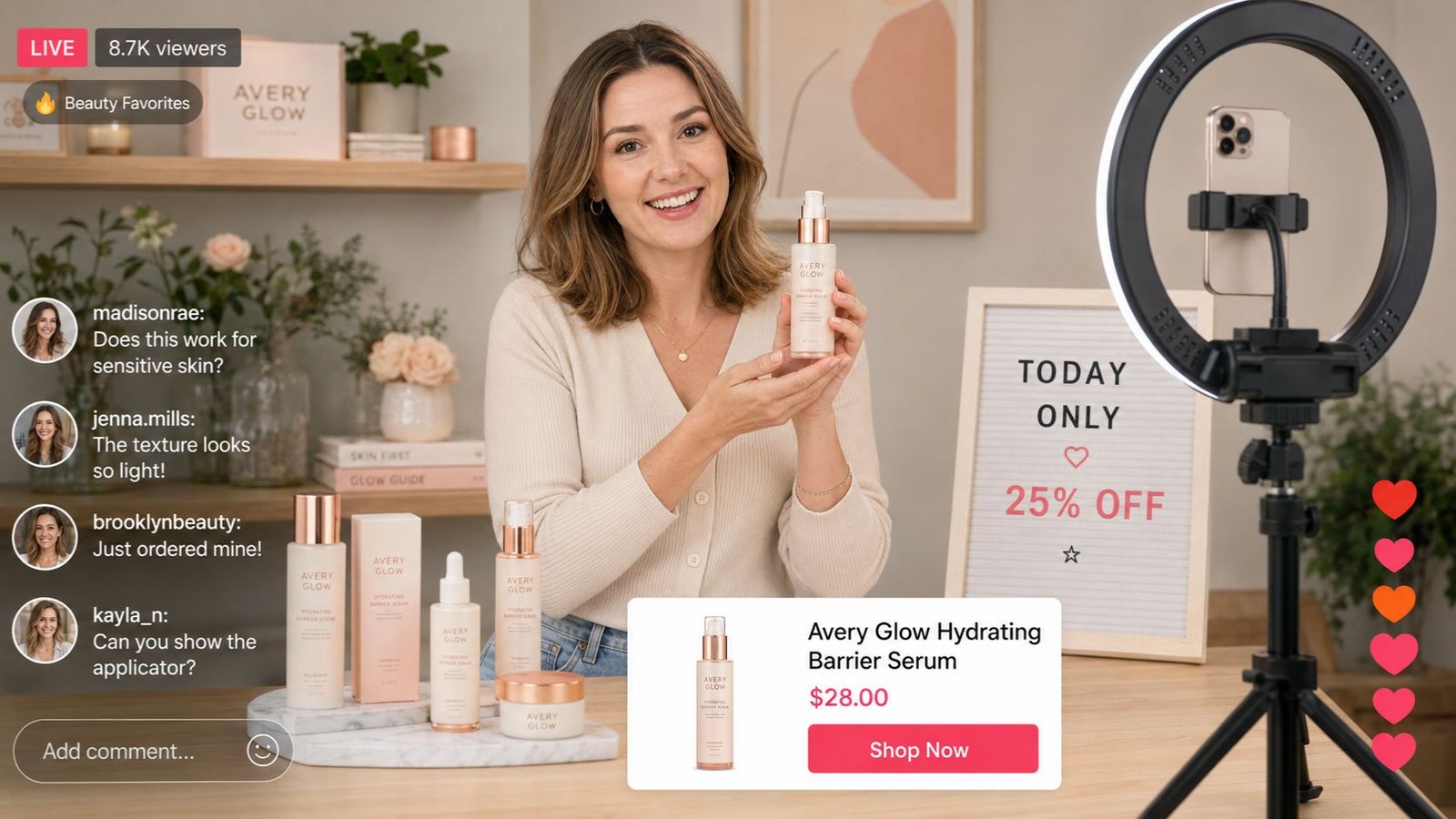
For product-based brands investing in TikTok Ads or scaling through TikTok Shop management, the listing is where the return on that investment is won or lost. Brands that treat listing optimization as an ongoing practice rather than a one-time setup tend to see compounding improvements across conversion, affiliate interest, and organic reach. Services like product listing optimization, campaign planning, and TikTok Shop growth strategy exist precisely to keep that process running consistently, not just at launch.
RGC Mkt works with product-based businesses across the TikTok Shop and Social Commerce space, supporting everything from initial setup and product listing optimization to TikTok Ads management, creator and influencer outreach, and ongoing marketplace management. If your listings are not converting at the rate your traffic deserves, the right place to start is an honest evaluation of each element covered here. Contact the RGC Mkt team to evaluate your listings and start improving conversion rates.