

Creating enough product-focused short-form content is one of the hardest parts of selling on TikTok Shop. A single well-produced video rarely provides enough data to understand what resonates with an audience. Sellers need multiple hooks, different demonstration formats, and varied angles, all ready before a trend fades.
That pressure pushes teams toward a smarter workflow: instead of starting from a blank page every time, use proven viral structures as a foundation and build variations fast. Amomo AI was built with that exact problem in mind, offering a commerce-focused creator platform that helps sellers, agencies, and UGC creators go from inspiration to published shoppable video in a fraction of the usual time.
Why volume and speed matter for TikTok Shop content
On TikTok Shop, one video is rarely enough to find a winning creative. To understand which hook grabs attention, which product demo drives clicks, and which audience responds, sellers need to test multiple variations at the same time. That means producing content in batches, not one piece at a time.
Speed compounds that challenge. TikTok trends move fast, and the window to capitalize on a rising format or sound is measured in days, not weeks. Teams that spend too long producing a single video often post after the trend has already peaked, reducing organic reach and making paid amplification less efficient.
The resource cost of manual content production adds another layer of friction. Writing scripts, shooting or sourcing clips, editing, and formatting for TikTok’s aspect ratio takes time at every step. For small teams managing multiple products, maintaining the content velocity needed to stay competitive without a repeatable system becomes nearly impossible.
What the tool does: core features and workflow
Amomo AI is designed specifically for TikTok commerce, which sets it apart from generic AI video generators. Its creator dashboard groups the key capabilities sellers need into a single, connected workflow: viral remakes, linked and video import, viral script generators, batch creation, and publishing pre-checks.
The intended flow is straightforward: find a viral shoppable video that fits your product category, analyze what makes it work, use a template to remake it for your own product, generate multiple variations, and then publish or schedule directly from the platform. Each step connects to the next, reducing the back-and-forth between separate tools.
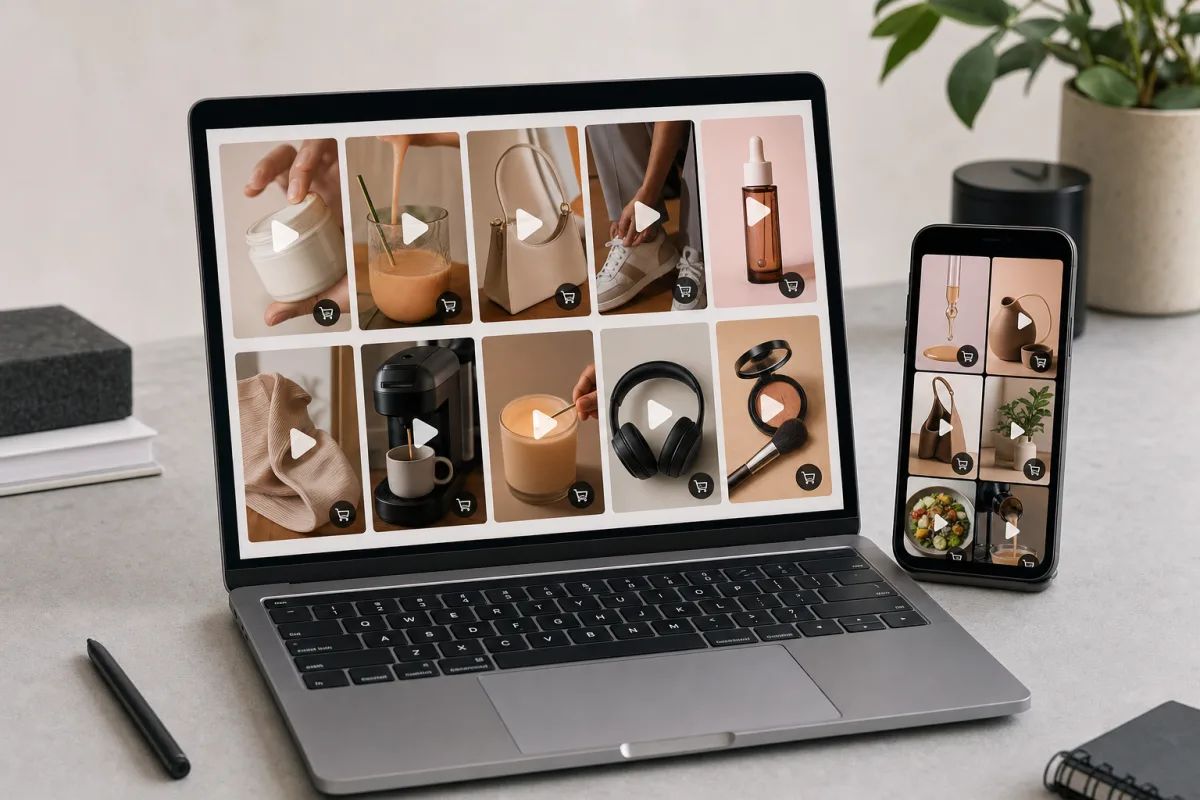
The dashboard also displays viral shoppable video examples alongside product thumbnails, making it easier for creators to visualize how a format can be adapted for different items. This visual reference is particularly useful for affiliate creators and UGC producers who work across multiple product categories at once.
The platform targets a broad range of users: TikTok Shop sellers managing their own content, affiliate creators promoting products, e-commerce brands working with agencies, and paid media teams that need a steady pipeline of fresh creatives for TikTok Ads campaigns.
How the viral-remake approach accelerates content creation
The viral-remake feature is the platform’s core accelerator. The concept is simple: instead of building a video concept from scratch, you start with a high-performing format and adapt its structure for your product. This is about structural inspiration, not copying. The goal is to borrow what works, including the hook style, pacing, and demonstration format, while replacing the product, visuals, and script with your own original material.
A practical approach looks like this: find a video in your product category that is getting strong engagement, break it down by studying the first two seconds (the hook), how the product is demonstrated, the pacing between cuts, and how the call to action is delivered. Then rebuild that same skeleton around your product, rewriting the script and re-sourcing or re-shooting visuals so the final result is entirely original.
The key distinction is between format and content. Formats, like a problem-solution reveal or a before-and-after demo, are not owned. Specific scripts, visual sequences, and audio are. Using a format as inspiration while creating original execution is both ethical and effective, and it is exactly what high-performing creators do consistently.
The script generator inside the platform supports this process by helping creators develop hooks and product narration that fit the adapted format. Starting with a proven structure and layering in original language dramatically reduces the time spent staring at a blank script.
Batch production, variations and the TikTok publishing flow
Batch production is what turns a single good idea into a testable set of creatives. Rather than publishing one video and waiting for results, the goal is to produce several variations of the same concept so you can identify which angle performs best before committing more resources to it.
A practical batch might look like this: two versions of the opening hook (one problem-led, one curiosity-led), two demonstration styles (quick montage versus a slower step-by-step), and one testimonial-style short clip. That gives five variations from a single template, each testing a different element of the creative.
- Vary the hook: change the first line or the opening visual
- Vary the demo: try fast cuts versus a more detailed walkthrough
- Vary the caption and CTA: test urgency-based language versus benefit-led language
- Vary the audience targeting if running paid traffic alongside organic
Before publishing, run through the platform’s pre-checks: confirm the aspect ratio is correct for TikTok, captions are readable on mobile, shoppable links are properly attached to the right product listing, and the video meets any current TikTok Shop content guidelines. Small formatting errors can prevent a video from being eligible for shop features, so this step is worth the extra minute it takes.
Best practices: hooks, testing, and scaling shoppable videos
The hook is the most important two seconds of any shoppable video. If the opening does not earn attention, the rest of the video does not matter. Three hook structures tend to perform consistently well for product content: the problem-solution open (identify a pain point immediately), the surprising reveal (show an unexpected result before explaining it), and the before-and-after setup (establish contrast quickly). Matching the hook type to the product category improves relevance from the first frame.
For testing, a 7 to 14 day micro-test with 6 to 10 variations gives enough data to identify early performance signals without wasting significant budget. Watch for engagement rate, video completion rate, click-through to the product listing, and conversion rate from the shop link. You do not need a winner to be dominant across every metric. Look for a variation that shows a meaningful edge in two or three key signals and build on that.
Scaling a winner does not mean simply increasing ad spend on a single video. It means producing more variations of the winning creative: test the same hook with a different visual opening, swap the product demo sequence, or re-record the narration with a different tone. Creative fatigue happens quickly on TikTok, so having a pipeline of fresh iterations of a proven structure keeps performance stable over time.
- Identify your top-performing hook style within the first week
- Produce two or three fresh iterations of the winner before scaling budget
- Monitor completion rate alongside CTR to avoid scaling a video people are skipping
- Revisit the viral-remake workflow regularly to bring in new format inspiration
Conclusion
The path to consistent sales on TikTok Shop runs through content volume, creative speed, and a repeatable workflow. Producing high-volume short-form product content, grounding it in proven viral structures, and moving efficiently from inspiration to publish is what separates teams that test and learn quickly from those that stay stuck in slow production cycles. The tools that make that process faster, like Amomo AI, are worth understanding in depth because they directly affect how quickly a brand can find a winning creative and scale it.
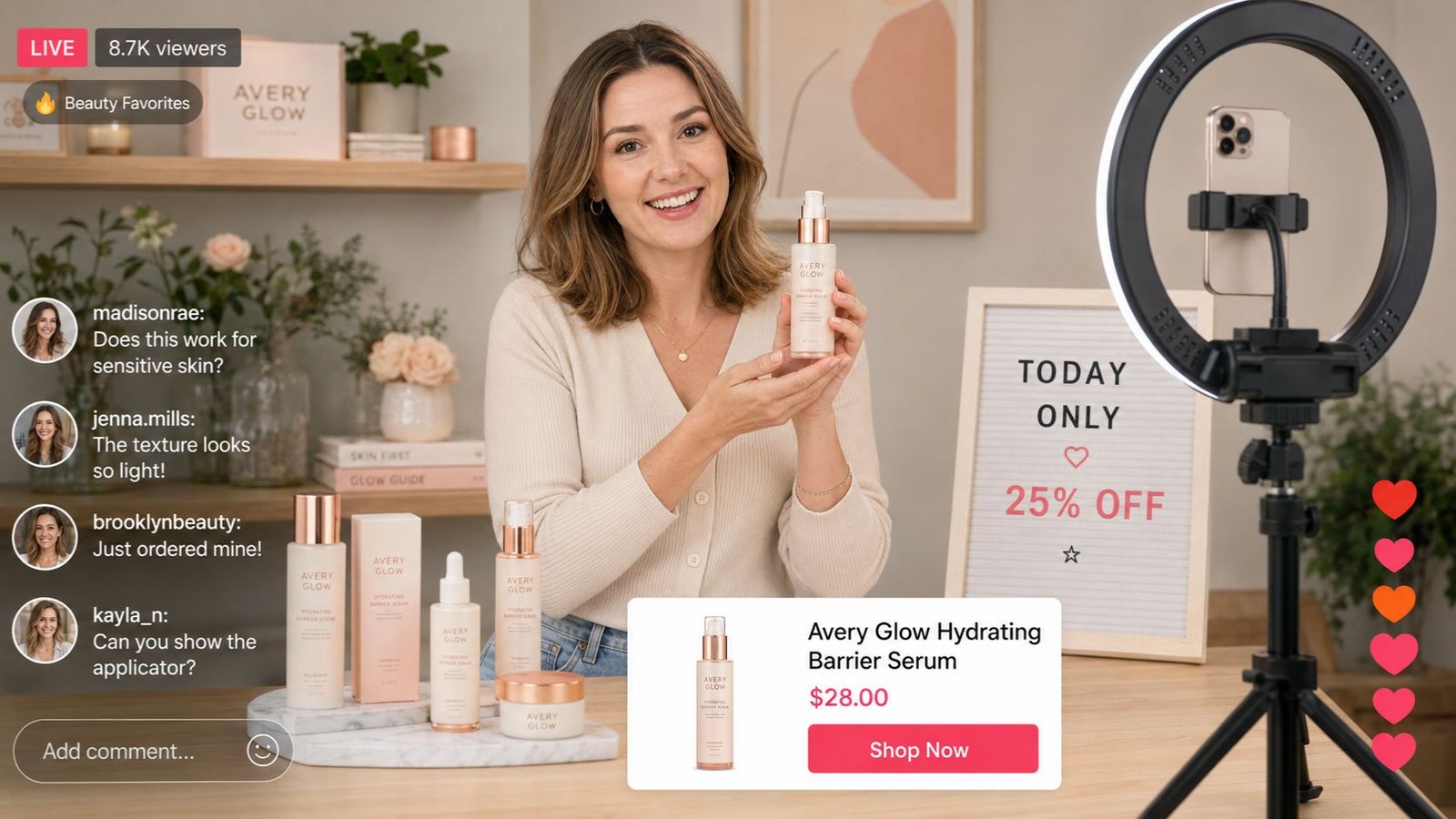
RGC Mkt works with product-based businesses and brands operating in the TikTok Shop and Social Commerce space to implement exactly these kinds of strategies. From initial TikTok Shop setup and product listing optimization to TikTok Ads management, content management, creator and influencer outreach, and full campaign planning and optimization, the team helps brands build and execute a TikTok Shop growth strategy that is grounded in real creative testing and platform-specific best practices.
If you want to explore how to implement or scale shoppable video production for your brand, get in touch with the RGC Mkt team and find out how they can support your next campaign.