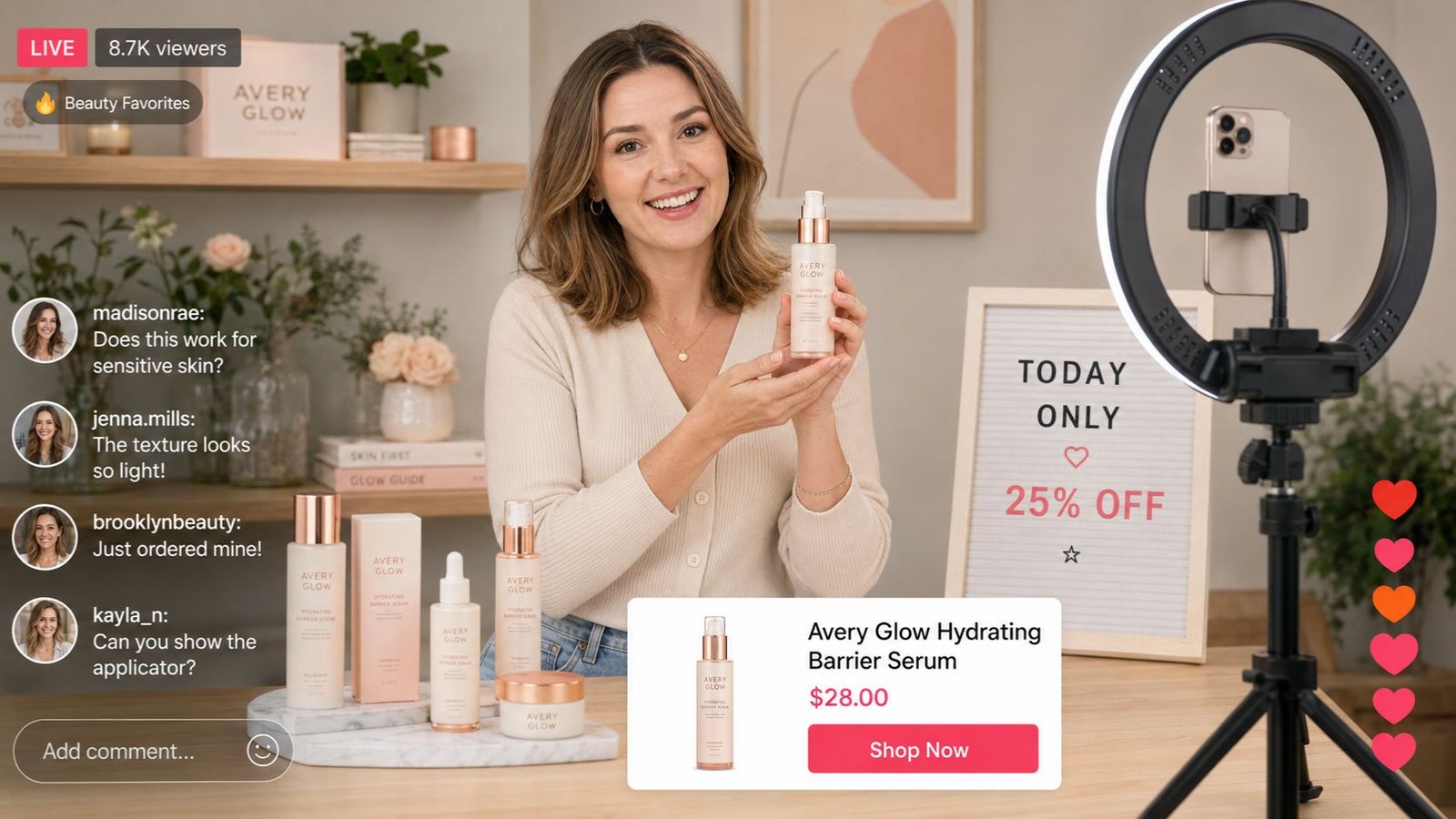


TikTok has shifted from a pure entertainment platform into one of the most active shopping environments online. With TikTok Shop built directly into the app, viewers can discover a product in their feed and purchase it without ever leaving the platform. That creates a real opportunity for creators at every level, including those just starting out with no audience at all.
The TikTok Shop affiliate program is one of the most accessible entry points into social commerce today. You do not need to hold inventory, ship products, or manage customer service. Your job is to create content, link products, and earn a commission when someone buys. This guide walks you through every step, from opening your account to making videos that actually convert.
What is TikTok Shop Affiliate and how it works
TikTok Shop is a native commerce feature that lets sellers list products directly on the platform. Shoppers can browse, add to cart, and check out without leaving the app. The TikTok Shop affiliate program sits alongside this system and allows creators to earn a commission by promoting those products in their own videos.
The mechanics are straightforward. When you link a product to your video, TikTok places a small product card at the bottom of the screen. A viewer who taps that card lands on the product page. If they complete a purchase, the sale is attributed to your affiliate link and you receive a commission. The commission rate varies by product and seller, so check individual listings for their offered rates.
One of the clearest advantages of this model is what you are not responsible for. As an affiliate, you do not fulfill orders, coordinate shipping, or respond to customer complaints. The seller handles all of that. Your only role is content creation and directing viewers to the product page, which keeps the entry barrier low and the operational overhead minimal.
How to create your TikTok Shop affiliate account with zero followers
There are two paths to join the affiliate program. If your account already has 5,000 or more followers, you can apply directly through TikTok’s creator tools inside the app. For everyone below that threshold, the signup route runs through the TikTok Shop website, and it works just as well.
The website signup process follows a clear sequence. Start by entering your email address and confirming the verification code sent to your inbox. From there, set a password and select your business type. Most individual creators should choose the individual option. Next comes identity verification, which is the most important step to get right.
For identity verification, upload a valid government-issued ID such as a driver’s license or passport. The personal data you enter during signup must match the information on that document exactly, including your name and date of birth. Any mismatch can stall the process. You will also need to provide a Social Security Number or tax ID for account confirmation, along with phone verification to secure access. Once you submit, approval can happen relatively quickly and TikTok will notify you by email.
During setup you will be asked to select a primary product category. Affiliates who plan to promote a range of products can choose a broad category like home supplies or kitchenware without limiting themselves later. You will also see sections for tax information and shipping configuration. As an affiliate who does not fulfill orders, the shipping settings are not a priority and you can skip or revisit them later.
How to find viral products and define winning product criteria
Product selection is where many new affiliates either gain traction quickly or stall. The goal is to find products that are already showing signs of interest on TikTok before you spend time creating content around them. Start by scrolling the TikTok feed and the TikTok Shop discovery tab with an eye for videos that have high engagement, are being reposted frequently, and feature products with a clear visual hook.
A simple winning product checklist can help you filter options:
- Strong visual appeal: the product looks interesting or satisfying on camera
- Clear use case: the benefit is obvious within a few seconds
- Impulse buy pricing: lower price points tend to reduce purchase hesitation
- Compact and demonstrable: something you can show in action in under a minute
- Problem it solves: products that fix a recognizable everyday annoyance perform well
Do not try to promote every product you find. Instead, start with a small set of three to five products across one or two categories. Track which ones generate clicks and purchases relative to your video views. The products with stronger click-to-purchase ratios are your winners. Concentrate your content efforts on those and move on from the ones that do not convert, rather than trying to fix underperforming products with more videos.
How to create short-form videos that convert and link products
The format of your video matters as much as the product itself. The highest-converting short-form videos on TikTok tend to follow a few reliable patterns: quick product demonstrations, before-and-after reveals, unboxing walkthroughs, problem-and-solution setups, and short social proof montages. Each of these works because it shows the product doing something rather than just describing it.
The first one to three seconds determine whether a viewer stays or scrolls. Open with the hook, meaning lead with the most visually compelling or curiosity-triggering moment. Show the problem the product solves, or show the end result first and let the video explain how you got there. Once you have the viewer’s attention, keep the pace moving and get to the product benefit quickly. Finish with a clear, low-pressure visual cue directing attention to the product link at the bottom of the screen.
On the technical side, always shoot in vertical orientation. Add captions so the video works without sound, which reflects how many people consume content. Keep your thumbnail clear and recognizable. Use TikTok’s native product linking feature to attach the affiliate link directly to the video before publishing. Video length between 30 and 60 seconds tends to work well for product content, but testing different lengths is worthwhile since audience behavior varies by category.
For your call to action, keep it natural. Something like “tap the link below to grab it” or a simple on-screen arrow pointing toward the product card is enough. Hard-sell language tends to push viewers away on TikTok, where the browsing mindset is casual. A clear, gentle nudge works better than a repeated push to buy.
How to avoid violations and scale your TikTok Shop affiliate business
Keeping your account healthy starts with understanding where violations commonly occur. The most frequent issues involve making product claims that cannot be substantiated, promoting items that fall outside platform guidelines, using misleading thumbnails or descriptions, and having identity information that does not match verification records. Always keep your product claims factual and demonstrable, meaning only say what the product actually does and what you can show on camera.
Because platform policies update regularly, it is important to review TikTok’s official guidelines rather than relying on third-party summaries. Pay particular attention to rules around product categories, required disclosures for affiliate content, and any guidelines specific to your region. Documenting your verification details and keeping your account information current will also prevent unnecessary disruptions as your account grows.
For scaling, the most sustainable path starts with organic content. Identify your top two or three performing videos, then allocate a modest budget to boost those through TikTok’s ad tools. This extends reach without requiring you to build a new audience from scratch. Beyond paid promotion, consider creator partnerships where other affiliates or micro-creators promote the same products you have tested, multiplying your reach. As your data grows, use it to optimize which products you feature, refine your video hooks based on watch-time performance, and adjust your product listing details if you eventually move into managing your own shop alongside affiliate work.
Conclusion
The TikTok Shop affiliate model removes most of the friction that typically comes with starting an ecommerce or content business. You do not need a large following to get started, you do not need inventory, and you do not need to manage orders. What you do need is a verified affiliate account, a clear product selection process, and a consistent approach to creating short videos that show real product value. Follow the signup steps carefully, verify your identity details precisely, pick visually compelling products with clear use cases, and build a library of demo-driven content that points viewers to the product page.
For brands, product-based businesses, and creators looking to grow within the TikTok Shop and social commerce space, having the right setup and strategy in place from the start makes a measurable difference. RGC Mkt works directly in this segment, supporting clients with TikTok Shop setup, product listing optimization, TikTok Ads management, creator and influencer outreach, and campaign planning. Whether you are launching from scratch or looking to scale an existing presence, having experienced support across content creation, creator partnerships, and campaign optimization can accelerate your results significantly.
If you are ready to move forward with your TikTok Shop growth and implementation, reach out to the RGC Mkt team to explore how they can support your next steps.