

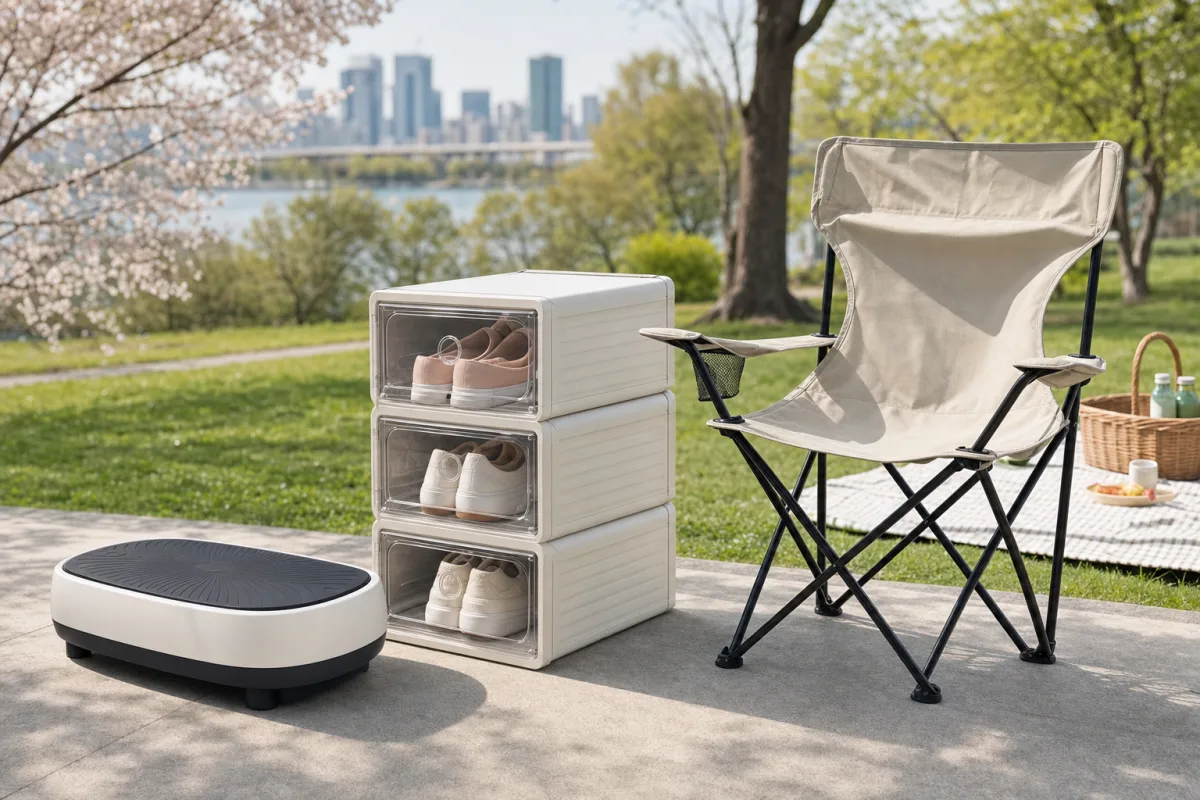
March is one of the most dynamic months in social commerce. Shoppers shift their mindset almost overnight, moving from winter routines into spring cleaning, pre-summer fitness goals and plans for outdoor weekends. That behavioral shift creates a short but powerful window for TikTok Shop sellers, creators and brands to connect the right product with the right audience at exactly the right moment.
The challenge is knowing which products are actually gaining traction, how to validate demand before committing to inventory or a creator campaign, and how to frame each product so it converts in the first few seconds of a short-form video. This guide covers all three angles, with practical filtering criteria, anonymized product examples and content direction for March 2026.
Why March 2026 changes the product playbook
Three seasonal forces converge in March that are hard to replicate in other months. The spring reset mindset pushes households to clean, reorganize and replace items that feel stale from winter. At the same time, the pre-summer glow up cycle starts early, with shoppers investing in fitness equipment, skin care and wellness routines before warmer months arrive. Layered on top of both is the gradual return to outdoor activities, which drives demand for portable, travel-ready gear.
Each of these drivers changes what a winning product looks like and, more importantly, how it should be presented. A home organization item in March benefits from a before-and-after framing tied to spring cleaning energy. A fitness device lands better when the hook references a pre-summer goal rather than a generic health message. An outdoor chair sells itself faster when the clip shows it unfolding at a campsite or backyard gathering rather than sitting on a shelf.
Creator outreach timing matters too. If campaigns launch after the seasonal peak builds, early momentum is lost. Identifying products and briefing creators in the weeks before March allows content to accumulate views during the highest-intent period, when purchase decisions are already in motion.
How to use Kalodata to discover winning TikTok Shop products
Kalodata is a product intelligence tool that surfaces performance data directly from TikTok Shop, including revenue trends, creator counts, commission rates and the top-performing videos for any given product. For March 2026 research, the most relevant categories to filter are sports and outdoor, beauty and personal care, and home supplies, since all three align with the seasonal demand drivers described above.
A practical starting filter setup looks like this:
- Revenue growth rate: 30% or higher, to focus on products with real upward momentum rather than flat sellers
- Average unit price: between $20 and $100, a range that balances accessibility for buyers with meaningful commission earnings for creators
- Creator count: between 50 and 200, indicating enough creator adoption to confirm affiliate-friendliness without the product being oversaturated
Once results appear, prioritize reading the revenue trend graph over the raw revenue number. A product showing a steady upward curve over the last 90 days carries more confidence than a single spike. Check the commission rate alongside the average unit price to calculate realistic per-sale earnings. Then open the highest revenue videos for that product to study what content format is actually driving sales.
Kalodata also offers a script export feature and a script optimizer, which breaks down top-performing videos into components: opening hook, product information and key selling points. Use these exports as creative direction, not as copy to replicate verbatim. Adapting the structure to a new creator’s voice and audience will consistently outperform a direct copy.
Fitness & wellness picks: vibration plates and content hooks
A slim vibration plate priced around $159.99 with an 8% commission rate represents a strong March opportunity. At that price point, each sale generates approximately $12.80 for a creator, and the product’s reported revenue of $278,000 in a recent 30-day window confirms that purchase intent exists at scale. The upward revenue trend makes the timing relevant for pre-summer positioning.
The content hook is what determines whether a viewer stops scrolling. For fitness products, instant visual clarity is critical: the viewer needs to understand exactly what the product does within the first two to three seconds. An effective opening might show someone stepping onto the plate and feeling the vibration immediately, paired with a simple caption about supporting a daily movement routine. No complex explanation is needed at the top of the video.
A suggested creator script structure follows this sequence: open with the problem (limited time for gym sessions), introduce the product as the solution, show a quick demo of use at home, add a brief social proof moment, and close with a live stream CTA directing viewers to purchase. This format keeps the video under 30 seconds and aligns with the formats that Kalodata data shows performing best for this category.
Keep all health-related messaging generic and focused on user experience rather than outcomes. Language like “supports your routine” or “easy to use daily” avoids compliance issues while still communicating practical value.
Home organization winners: collapsible storage and demo angles
Collapsible, stackable shoe boxes are a natural fit for the spring reset cycle. Sneaker collectors and households doing seasonal reorganization are actively looking for solutions that save space without sacrificing accessibility. The product’s visual appeal is immediate: a viewer can see the transformation from a cluttered floor to a neat stack of labeled boxes in under 20 seconds.
The demo angle is the most important creative decision for this category. A creator loading 15 or more pairs into stacked units while emphasizing the space-saving result does most of the selling without needing a complex script. Features like easy-open lids, foldable construction and the ability to stack units high give the video natural checkpoints: each feature is a moment the creator can pause on to highlight value.
For creator briefs, suggest a format that opens with the problem (“my closet looks like this right now”) and moves quickly into the transformation. A time-lapse of a spring closet declutter using the boxes creates a satisfying payoff that tends to generate saves and shares, both of which extend the organic reach of the video.
Although the commission rate on this product category may be lower than fitness items, the lower price point and high visual appeal make it easy for new creators to build early sales history on TikTok Shop, which supports long-term affiliate program eligibility.
Outdoor & travel essentials: comfort, portability and seasonal demand
As temperatures rise in March, interest in portable outdoor furniture and travel gear begins to build steadily. A portable outdoor rocker chair with a 12% commission rate and an upward 90-day trend is a strong candidate for testing during this window. The combination of comfort, quick setup and packability maps directly to the activities audiences are planning: camping trips, backyard gatherings, parks and beach outings.
Product demos for outdoor items work best when they show context, not just the object. A short clip of unfolding the chair at a campsite, sitting down and rocking, communicates comfort and ease of use simultaneously. A creator packing the chair into a car trunk alongside other gear reinforces the travel-ready message without needing any voiceover.
Suggested ad angles for this category include: weekend-ready (the chair goes from bag to seated in under 60 seconds), travel-friendly (fits in any trunk or cargo area) and durable enough for repeated seasonal use. Each angle addresses a different buyer hesitation, so testing two or three creator formats before scaling spend is a practical approach.
When validating a product like this, use the 90-day trend view in Kalodata rather than a 30-day snapshot. Outdoor categories often build momentum gradually through late winter before peaking. A product that shows consistent growth over 90 days carries more confidence for a March campaign than one that spiked briefly and flattened.
Conclusion
The TikTok Shop winners for March 2026 share a common profile: they deliver instant visual clarity, they solve a daily annoyance or fulfill a seasonal need, and they translate naturally into short-form creator content. The three categories explored here, fitness and wellness, home organization and outdoor essentials, each benefit from the convergence of spring reset energy, pre-summer motivation and the return to outdoor activities. Identifying them early, validating with data and briefing creators before the seasonal window peaks is what separates reactive sellers from intentional ones.
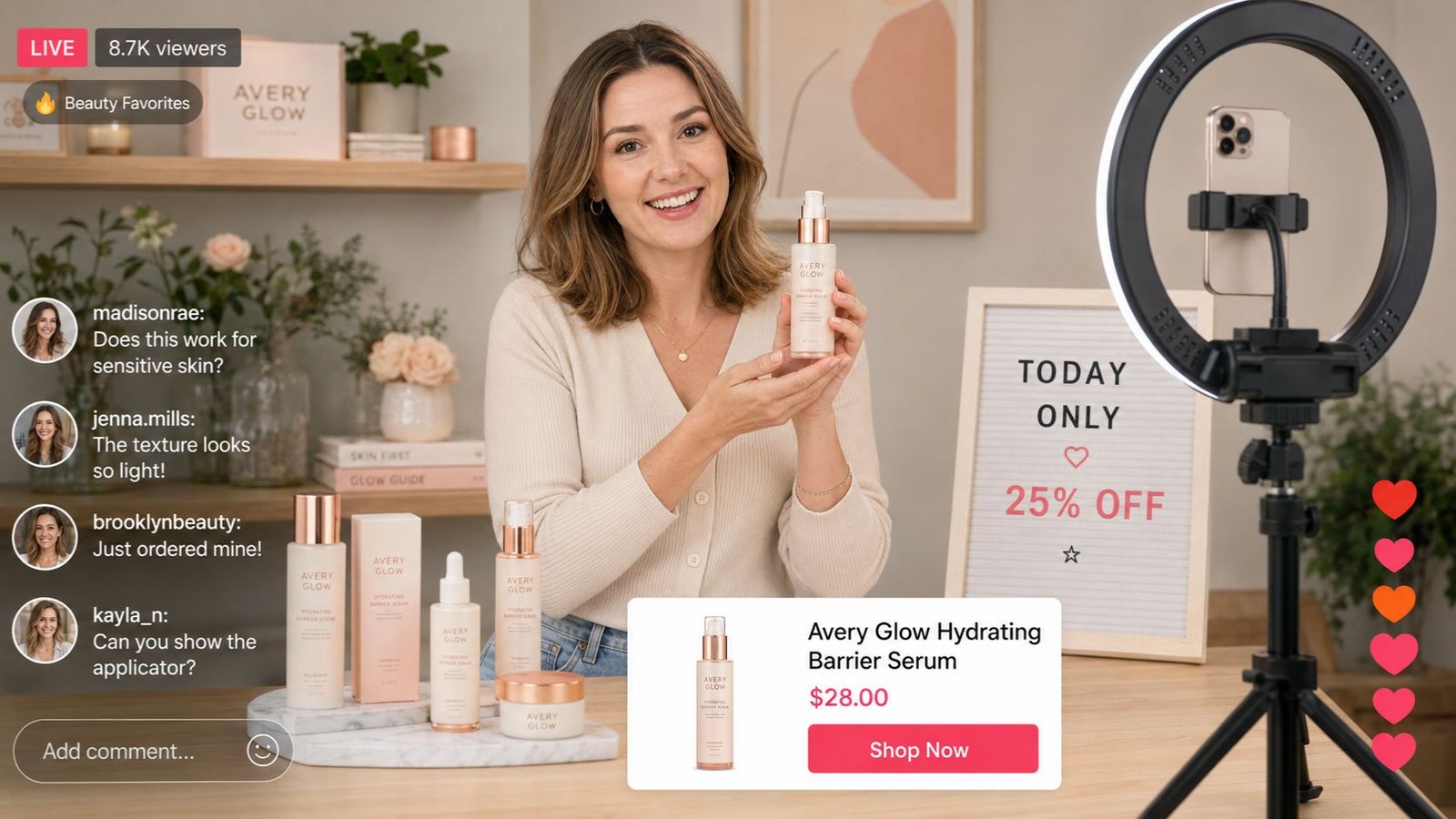
For anyone working in TikTok Shop and social commerce, March is a planning moment as much as a selling moment. The product selection criteria outlined here, backed by the filtering logic from tools like Kalodata, give sellers and brands a repeatable framework for evaluating opportunities beyond a single month. Products with affiliate-friendly structures, demonstrable benefits and seasonal relevance will consistently outperform items that rely on price alone.
RGC Mkt works within the TikTok Shop and social commerce space, supporting sellers, creators and brands across the full cycle: from TikTok Shop setup and product listing optimization to creator and influencer outreach and campaign planning. If you are preparing for the spring reset season or looking to build a scalable approach to short-form commerce, contact the team to discuss how we can help your TikTok Shop grow.