


Most creators trying to get noticed by the TikTok algorithm focus on the wrong things: posting five times a day, chasing trending sounds, or stuffing captions with hashtags. The result is usually a high volume of content that earns low engagement and even lower reach. The algorithm does not reward effort—it rewards audience response.
What separates creators who consistently reach new viewers from those stuck in low view counts comes down to four repeatable habits: structured research and testing, analyzing outlier videos and engineering better hooks, choosing idea quality over posting frequency, and using analytics to scale what actually works. Each habit builds on the last, and together they form a content system that compounds over time.
Research and testing: find your niche and repeat what works
Before recording a single video, successful creators invest time studying the content landscape they want to enter. The goal is not to copy what others are doing—it is to understand what your target audience already responds to, so you can bring your own perspective to proven territory.
Start by identifying creators who attract the same audience you want to reach. Watch their content with a specific purpose: map the recurring topics that appear across three to four of their videos most consistently. In most niches, a small set of themes drives the majority of engagement. Once you spot those patterns, you have a research-backed foundation for your own content calendar.
From there, build a simple testing framework. Draft five short video ideas around one recurring topic, give each a slightly different angle or hook, and publish them over a defined window. Track results, note what performed above your account average, and use those signals to decide what to repeat. The emphasis is on small batches and documented outcomes, not guesswork.
- Follow several creators in your niche and note 3 recurring topics across their top posts.
- Draft 5 ideas that put your unique spin on one of those topics.
- Publish in small batches and record what each variable was before reviewing results.
- Repeat what outperforms; retire what does not.
Study outlier videos and craft attention-grabbing hooks
An outlier video is one that earns significantly more views than a creator’s typical content. It is the clearest signal available that something in that video’s structure connected deeply with a wider audience. Studying outliers is not about replicating someone else’s work—it is about understanding the mechanics behind the spike.
When you find an outlier, analyze its first one to three seconds closely. Ask: does it open with a question, a bold claim, or a visual surprise? What does the headline or on-screen text say? How quickly does the creator get to the point? Those structural choices are what make a viewer stop scrolling long enough to give the video a chance.
Once you understand the pattern, test three variations of that hook structure using your own message, product, or point of view. The structure is transferable; the content should be original. A question-based opener, a counterintuitive statement, and a “watch to find out” visual are three common hook patterns worth testing across different topics.
- Question hook: Open with a question that makes the viewer feel the answer applies directly to them.
- Bold claim hook: Lead with a statement that challenges a common assumption in your niche.
- Visual surprise hook: Show something unexpected in the first frame before any narration begins.
The hook is the single highest-leverage element of any short-form video. If viewers leave in the first two seconds, no amount of strong content after that point will help the video’s performance.
Quality over quantity: prioritize strong ideas, not posting frequency
One of the most persistent myths in short-form video is that posting three to five times per day is necessary for growth. For most creators and brand accounts, that pace produces diminishing returns because it compresses the time available to develop genuinely strong ideas. The algorithm evaluates each video independently based on how viewers respond to it—not how often you post.
A strong content idea has four qualities worth checking before production begins. First, it has clear attention potential: someone scrolling past should feel an immediate reason to stop. Second, it delivers a specific, understandable value in a short window. Third, it fits your voice naturally, so the delivery feels authentic rather than performed. Fourth, it has a defined angle—a point of view or framing that makes it distinct from generic content on the same topic.
Two well-executed videos per week that pass that checklist will consistently outperform five rushed posts that do not. Consistency still matters, but the definition of consistency should be about maintaining quality standards, not hitting an arbitrary volume target.
- Before producing a video, ask: does this idea make someone stop scrolling?
- Check for a clear value delivery, a natural fit with your voice, and a distinct angle.
- Set a cadence based on your actual capacity to produce quality content, not an external quota.
Design for retention: editing, pacing and first-second impact
Retention is one of the clearest signals the algorithm uses to judge a video’s value. When viewers watch a significant portion of a video—or watch it more than once—the platform interprets that as a signal of quality and extends the video’s reach. Designing for retention starts before editing: it starts in the structure of the idea itself.
The first three seconds set the expectation. A provocative question in second one, followed by a quick visual proof or scene change in seconds two and three, creates forward momentum that keeps viewers engaged. After that opening, structure the video so each new piece of information builds on the last. Deliver value progressively rather than front-loading everything, which gives viewers a reason to stay until the end.
In editing, techniques like jump cuts, scene changes, and on-screen text placed at natural attention breaks can help maintain pacing without feeling disjointed. The goal is to remove any moment where a viewer might feel the video has stalled. That said, techniques are not universal rules—what works in one niche may feel jarring in another. Always verify editing decisions against your own retention graphs after publishing.
- Hook in second one; establish context by second three.
- Use jump cuts and visual changes to maintain pacing without adding unnecessary length.
- Deliver information progressively to reward viewers who stay.
- Review retention graphs after each post and note where drop-off occurs.
Measure, iterate and scale: use analytics to double down on winners
TikTok shows a new video to an initial sample audience of roughly 200 viewers. That first group’s response—how long they watch, whether they engage, whether they share—determines whether the platform extends the video’s reach further. Understanding this mechanic changes how you interpret early performance data. A video that earns strong retention from that first sample has a clear path to broader distribution.
In your own analytics, look for videos where average watch time or completion rate sits above your account baseline. Those are your outliers—and they are the most valuable inputs for future content decisions. Study what those videos had in common: the hook style, the topic, the video length, the pacing. Then design two or three variations that preserve those structural elements while testing a new angle or format.
When a video shows clear breakout potential, scaling it with a small paid boost or a targeted creator partnership can extend its reach without starting from scratch. Approach paid promotion conservatively: test small before committing budget, and use the same retention and engagement metrics to evaluate results. Document every experiment and its outcome so your content strategy improves incrementally rather than resetting with each new post.
- Identify your account’s outliers by comparing retention and completion rates across recent posts.
- Build three variations of each winner, adjusting angle or format while keeping the core structure.
- Test small paid boosts on videos already showing organic traction.
- Keep a running log of what you tested and what the data showed.
Conclusion
The four habits covered here—systematic research and testing, analyzing outlier videos and engineering stronger hooks, prioritizing idea quality over posting frequency, and using analytics to iterate—form a practical content system that works because it is grounded in audience response rather than platform tricks. Each habit reinforces the others: research informs hook development, quality execution supports retention, and analytics close the loop by telling you what to repeat and scale.
For brands and teams operating in TikTok Shop and social commerce, these habits translate directly into outcomes that matter: better product discovery through well-structured short-form video, more efficient campaign optimization when you know which content formats your audience responds to, and a clearer approach to TikTok Shop management when content performance data guides your decisions. Services like TikTok Content Management and Creator and Influencer Outreach are practical ways brands operationalize these habits at scale—connecting content strategy to shop growth without relying on guesswork.
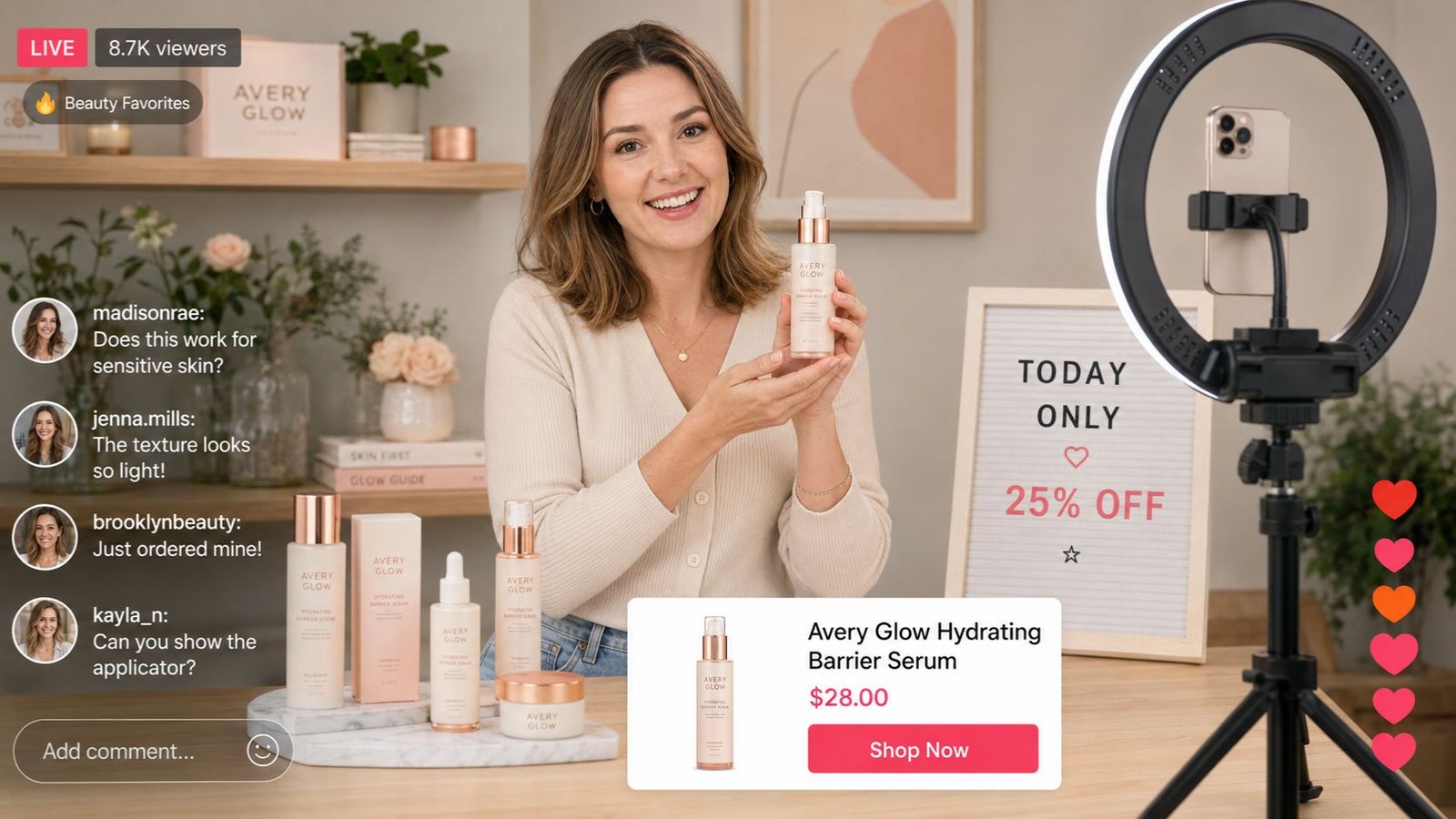
If you want help applying these habits to improve your content creation process and grow your TikTok presence, contact the RGC Mkt team to learn how these practices can be implemented for your shop.